

WATER in tsavo (Ongoing project)
(2019-2024) - 10 sand dams and one borehole financed by the Disney Conservation fund (DCF)
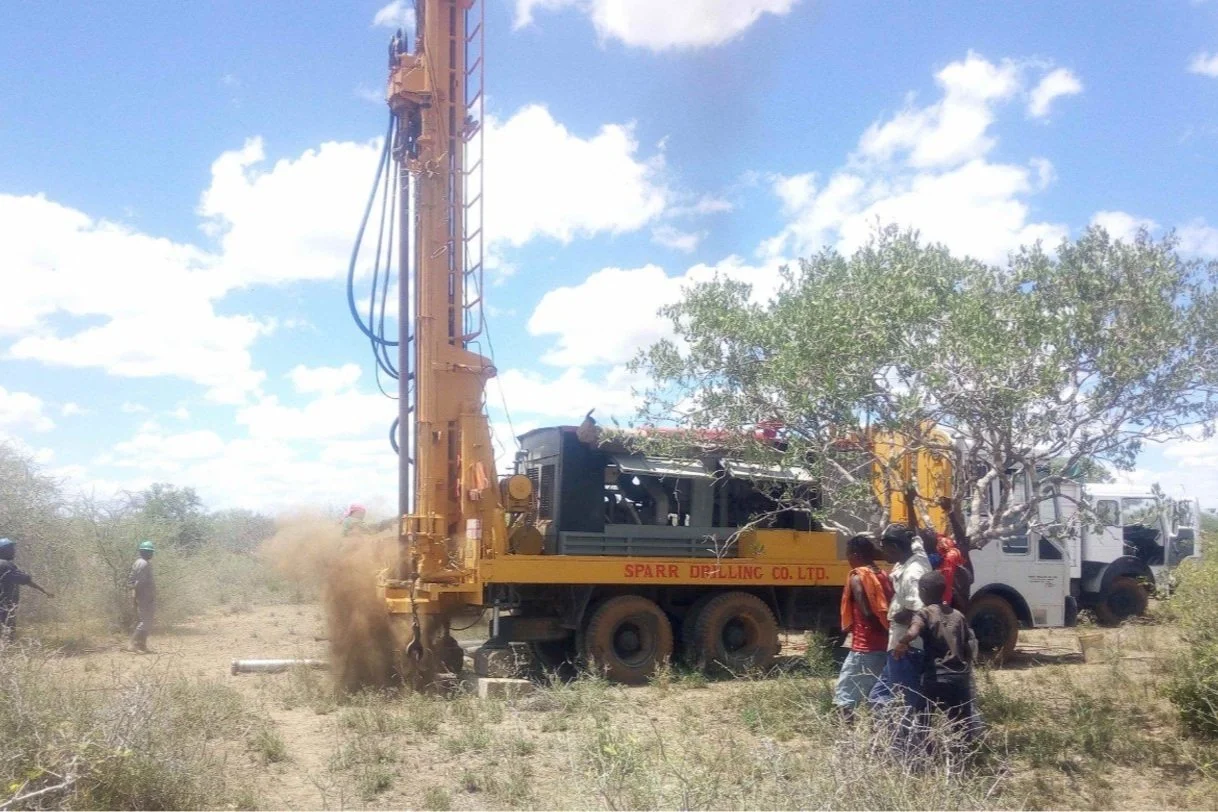
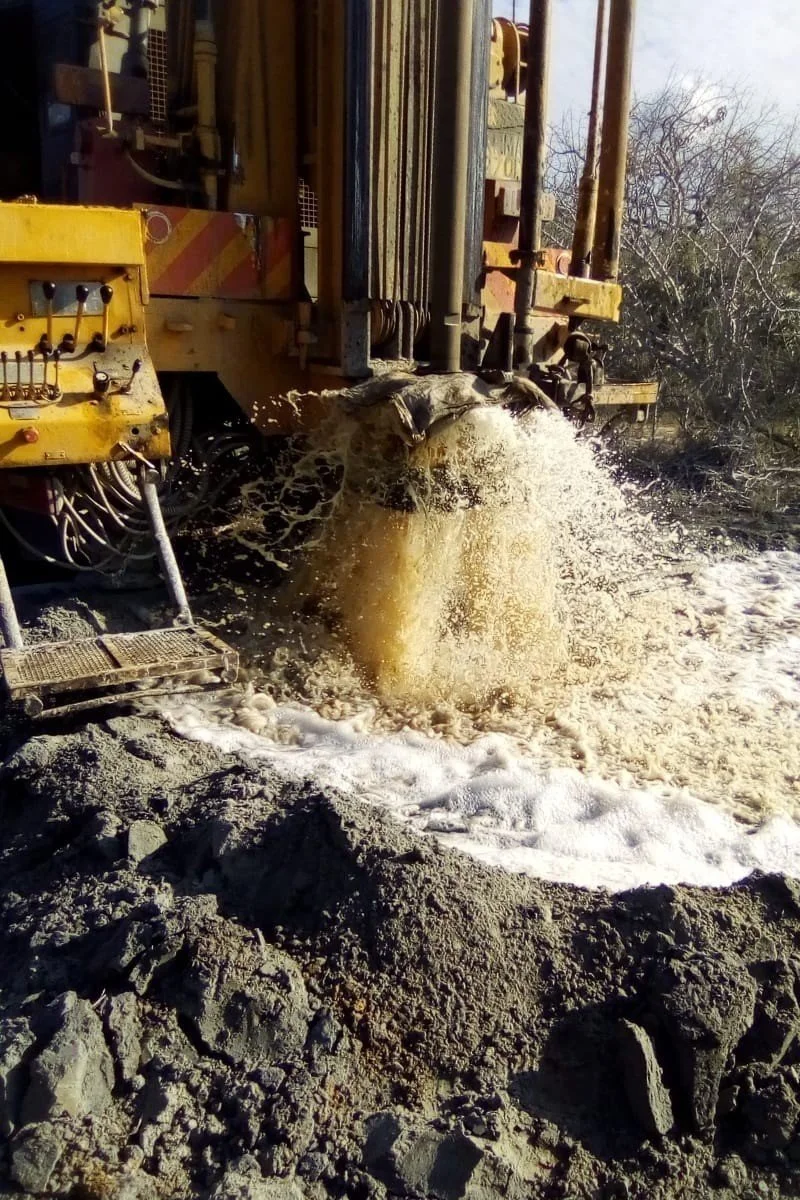
Shirango borehole drilling, TT
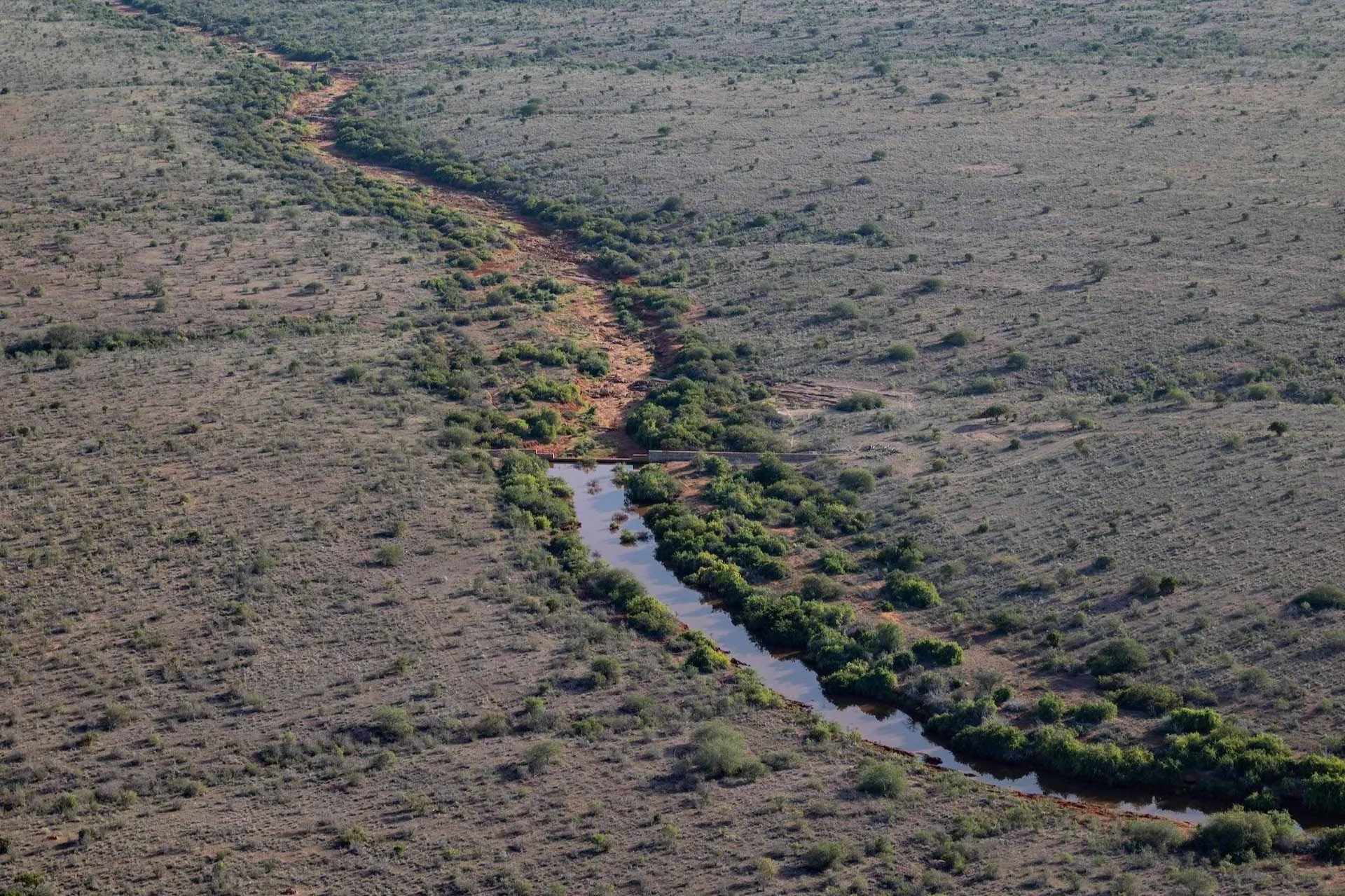
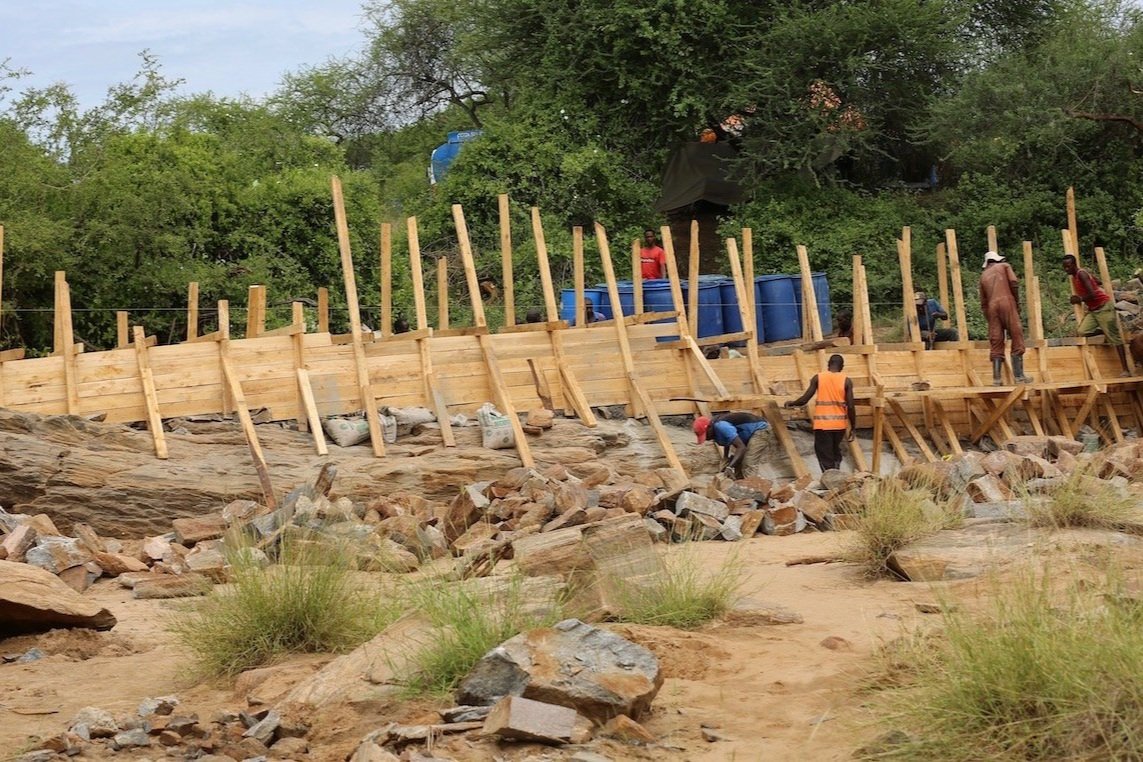
Sand dam in Tsavo, TT
challenges
Tsavo East and West National Parks are home to Kenya’s largest elephant population of ~ 16,000 elephants, including the largest number of Africa’s super tuskers whom survived the extreme poaching crisis in the 1980’s.
Tsavo is extremely hot and dry most of the year and its wildlife carrying capacity is affected by vast herds of livestock that illegally invade the park.
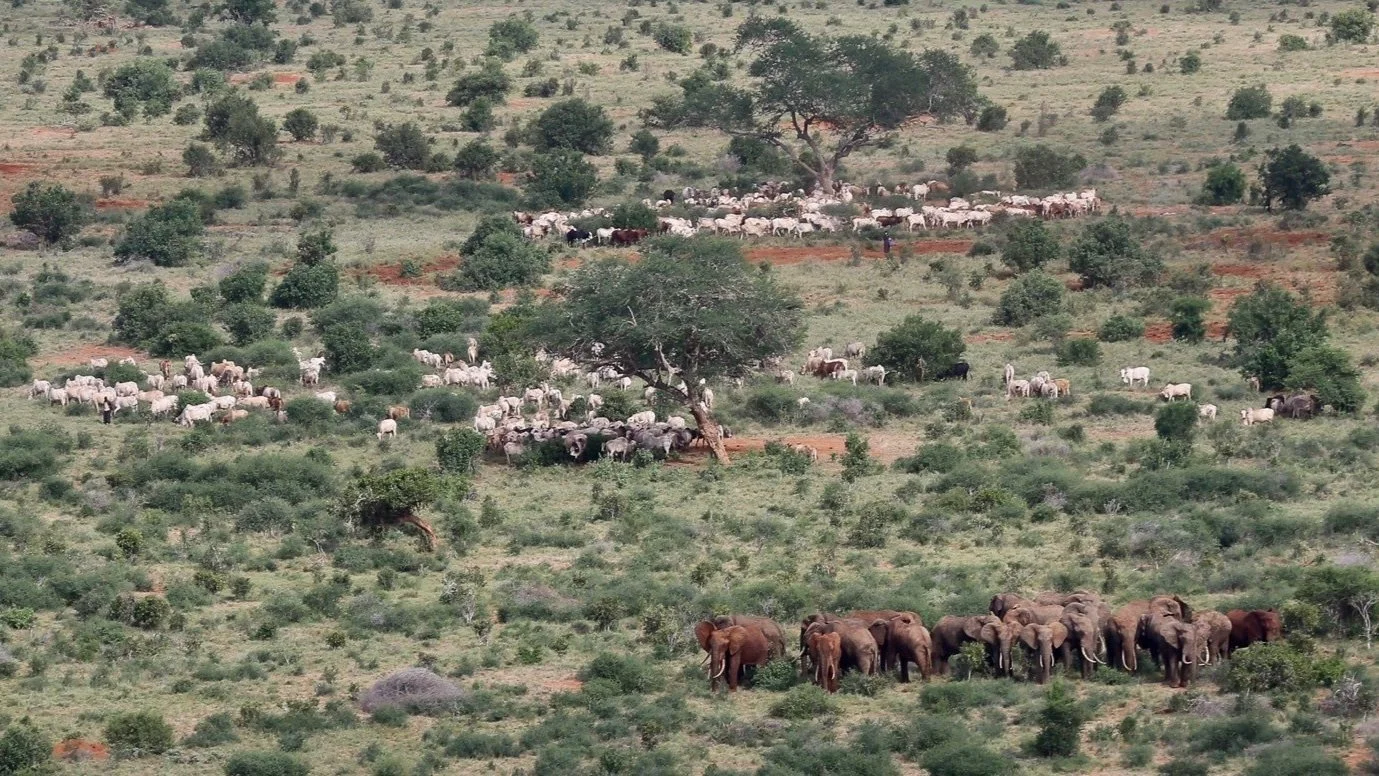
Elephants and livestock at Shirango, TT
Watha people in Shirango
On the southern border of Tsavo East in Shirango live the Watha people, a small tribe infamous for elephant spear hunting.
Living in an extremely harsh environment with quasi no water, life of the Watha is tough. They poach, produce charcoal, herd livestock and sometimes collaborate with the Somali with large herds of livestock who also poach. Charcoaling vegetation boosts desertification and is detrimental to Tsavo wildlife and the Watha. Ignorance kills!
The Watha didn’t own land until the Shirango Community Conservancy was created by Tsavo Trust (TT) in 2018. Before its creation, elephants would not be seen anywhere near Shirango, perceived as a danger zone.
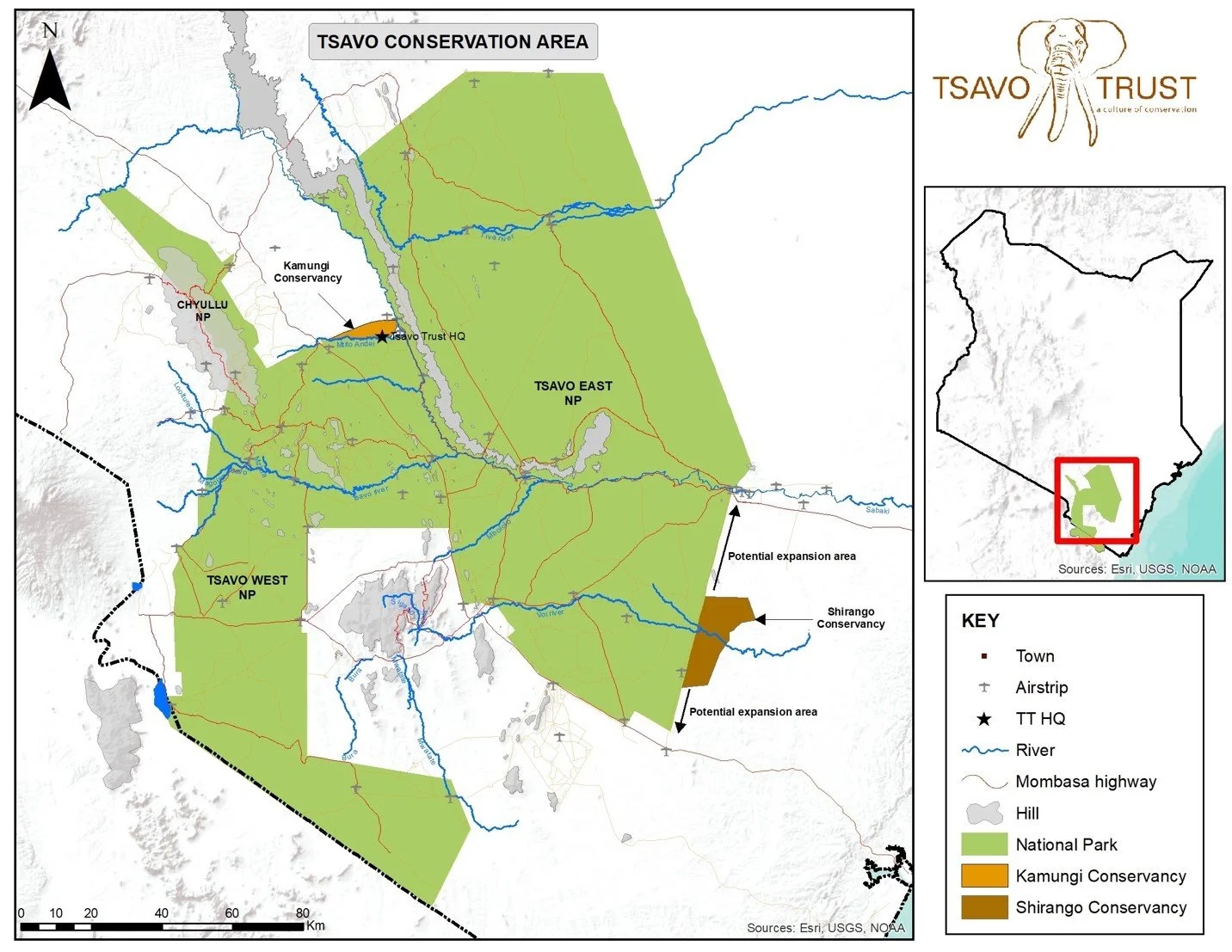
Tsavo East and West NPS and Shirango, TT
Water in Tsavo
Tsavo’s main rivers are the Athi and Tsavo Rivers that merge into the Galana-Sabaki River, and the Tiva River, a tributary of the Tana River.
Tsavo River originates from Mt Kilimanjaro and is joined by Mzima Spring. Athi River originates from the Gatamoya forest but winding through Nairobi, suffers from over-extraction and extreme pollution. The Athi and Galana look a fluorescent green when water levels are low. The effects on wildlife are unknown but its pollution has been linked to various human health issues.
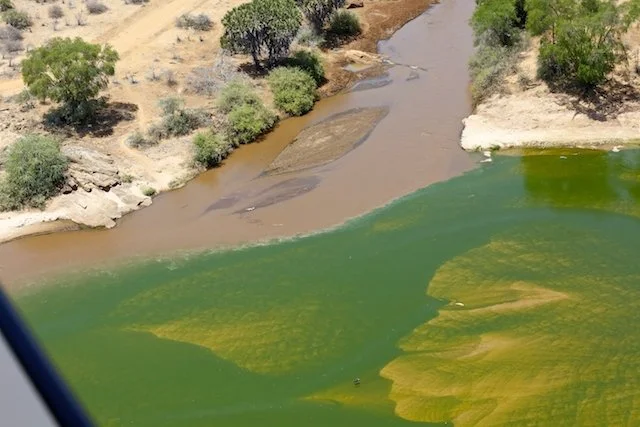
Athi and Tsavo River confluence, TT
To remedy the lack of water for wildlife, about 2 dozen artificial watering holes have been introduced, attracting the bulk of Tsavo’s wildlife in dry seasons.
Areas around watering holes become over-utilized and show a growing radius of deserted land around them.
Vulnerable wildlife, the young and old, cannot reach enough vegetation to feed and return to the water. They stay around the watering holes and starve to death.
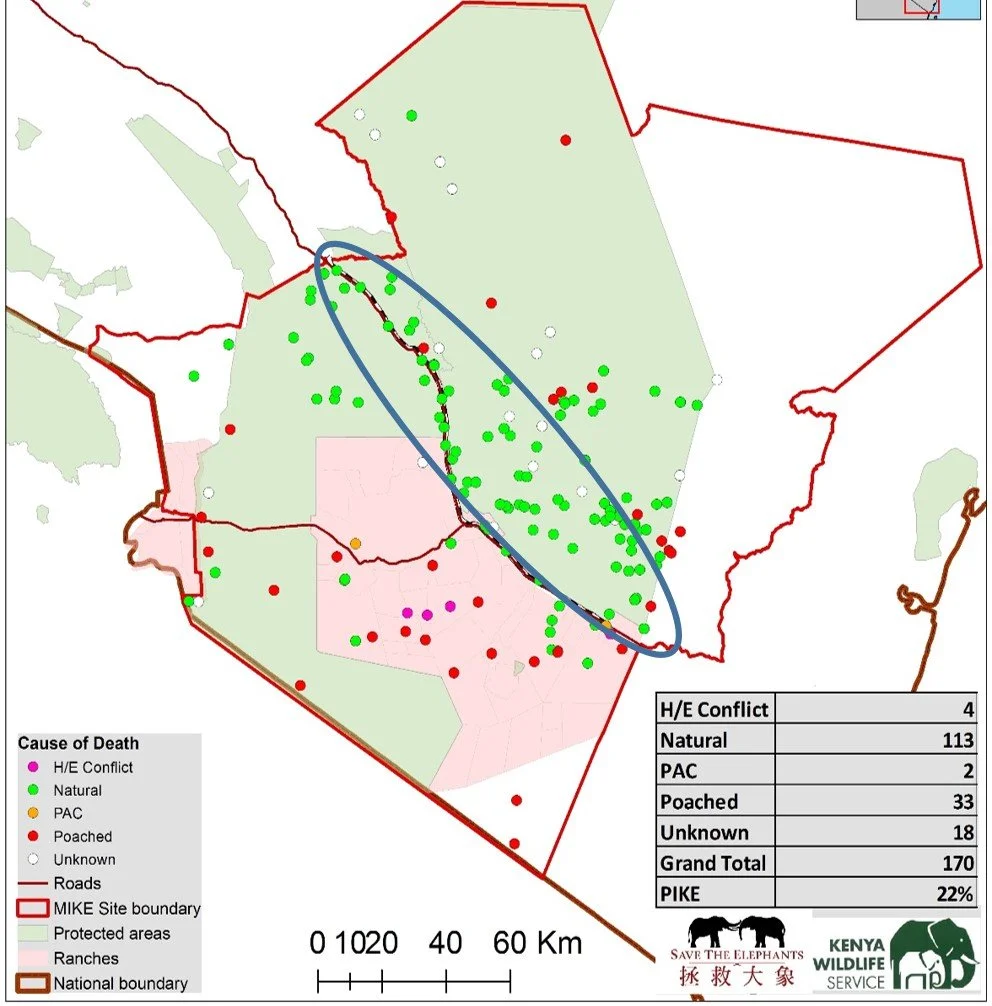
The many “Natural deaths” in the Monitoring of Illegal Killing of Elephants (MIKE) database coincide with the area where most watering holes are located.
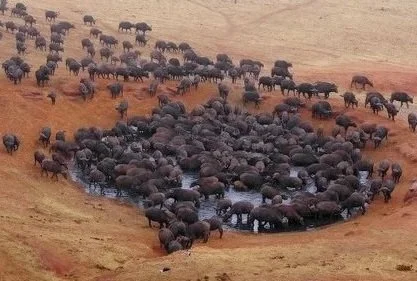
Overcrowding © Kenya Wildlife Safaris
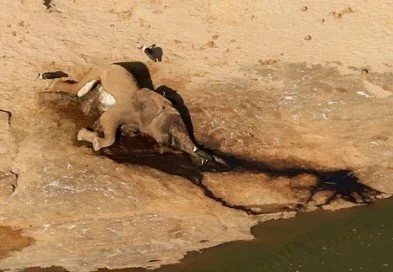
Dead elephant at Tsavo artificial watering hole, TT
MIKE 2016 elephant data and the area with most artificial watering holes (blue oval)
solutions
Tsavo Trust (TT) developed the Shirango Community Conservancy in 2018 to start working with the Watha and with the idea that when they own their own land, they will treat it with more respect.
Since then, TT also started employing Watha people as rangers, and elephant poaching by the Watha has reduced to quasi nil. Today elephants are regularly found in and near Shirango, showing they do not perceive the area as a threat anymore.
Borehole in Shirango
With support of WCS/DCF, of which the WT founder was the coordinator, a borehole was introduced in Shirango
A hydrology study preceded this and identified 3 areas with potential water. Drilling at the first 2o by TT. first sites failed to hit water. The 3rd site hit water, albeit very salty.
Having water at Shirango is live changing for the Watha. Although salty, the water is used for washing (people, clothes and dishes) and livestock. Watha borehole water
Shirango borehole drilling, TT
Sand dams
During a return flight from Shirango, a herd of elephants was spotted away from the artificial watering holes in a lush patch around a dry river tributary. The TT CEO informed that this was a remaining sand dam, one of many that were built between 1920 and 1960, and sparked the idea to reintroduce sand dams.
An Environmental Impact Assessment ensued to locate the most suited areas for sand dams.
Sand dam construction, TT
Sand dams are built on seasonal rivers and are regularly patrolled by TT. They are built away from areas known for livestock invasions.
Sand builds up against one side of the dam wall, forming large sand basins in which floodwaters is stored. This prevents evaporation and can retain water for several months after the rains. Riparian vegetation dips its roots into the sandbanks, and thrive through dry seasons.
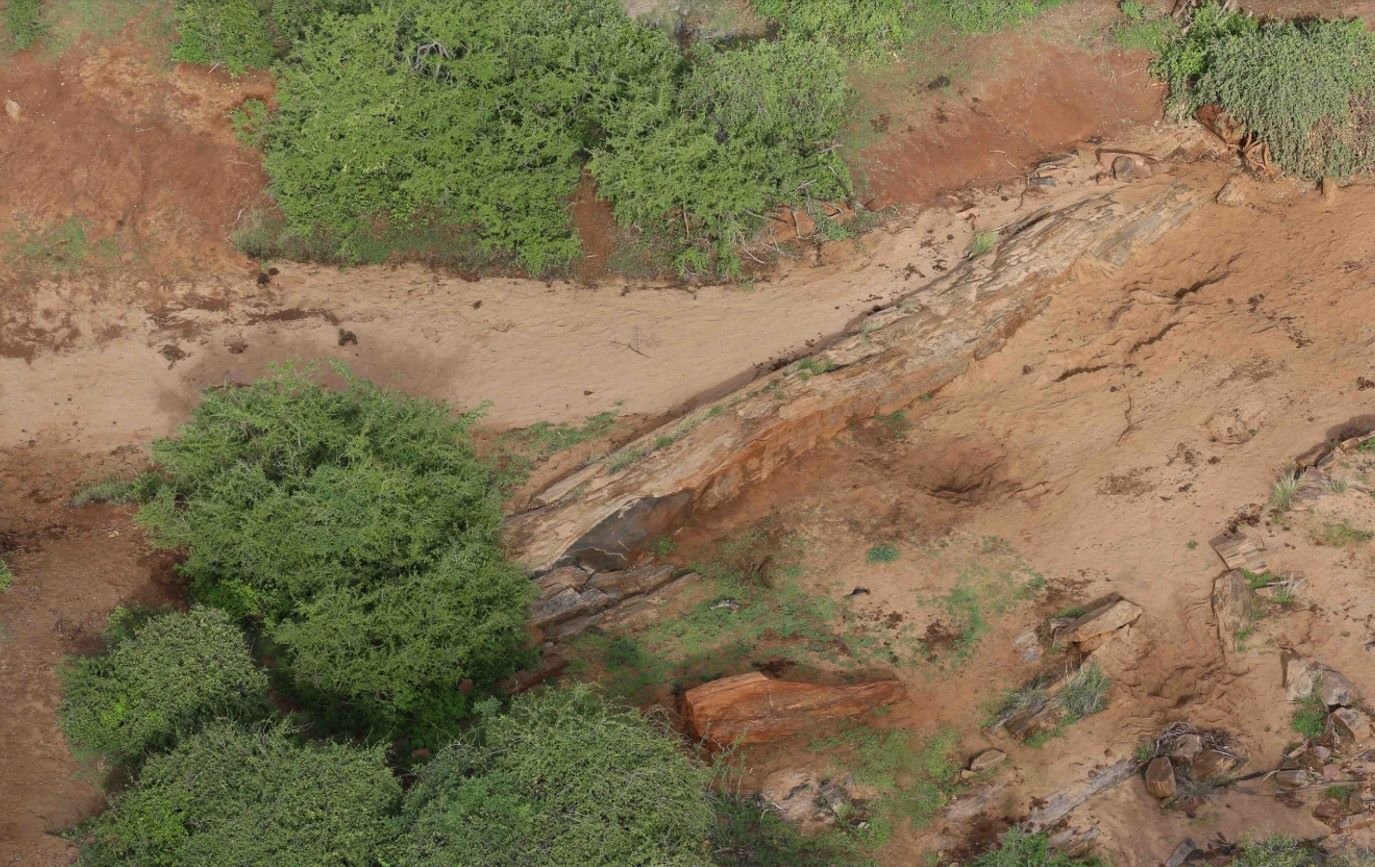
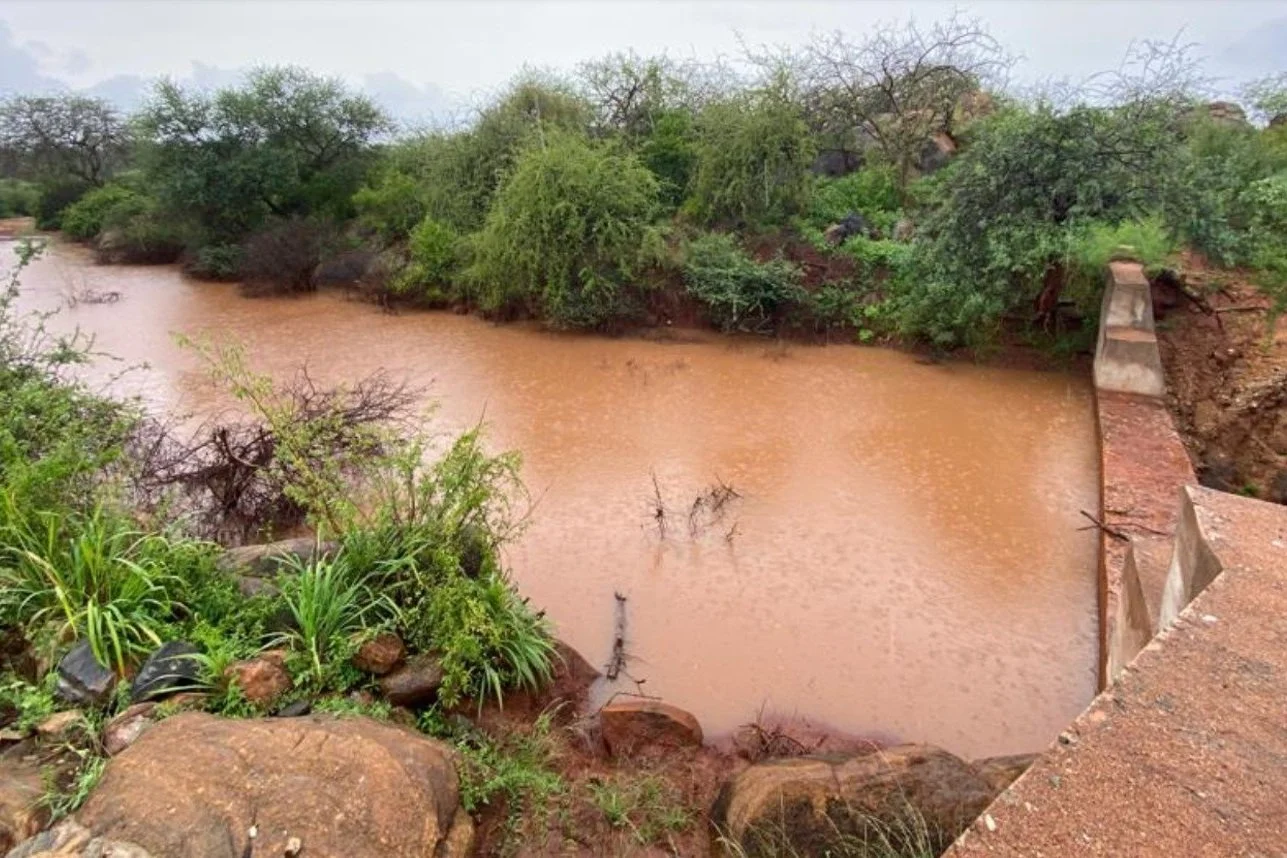
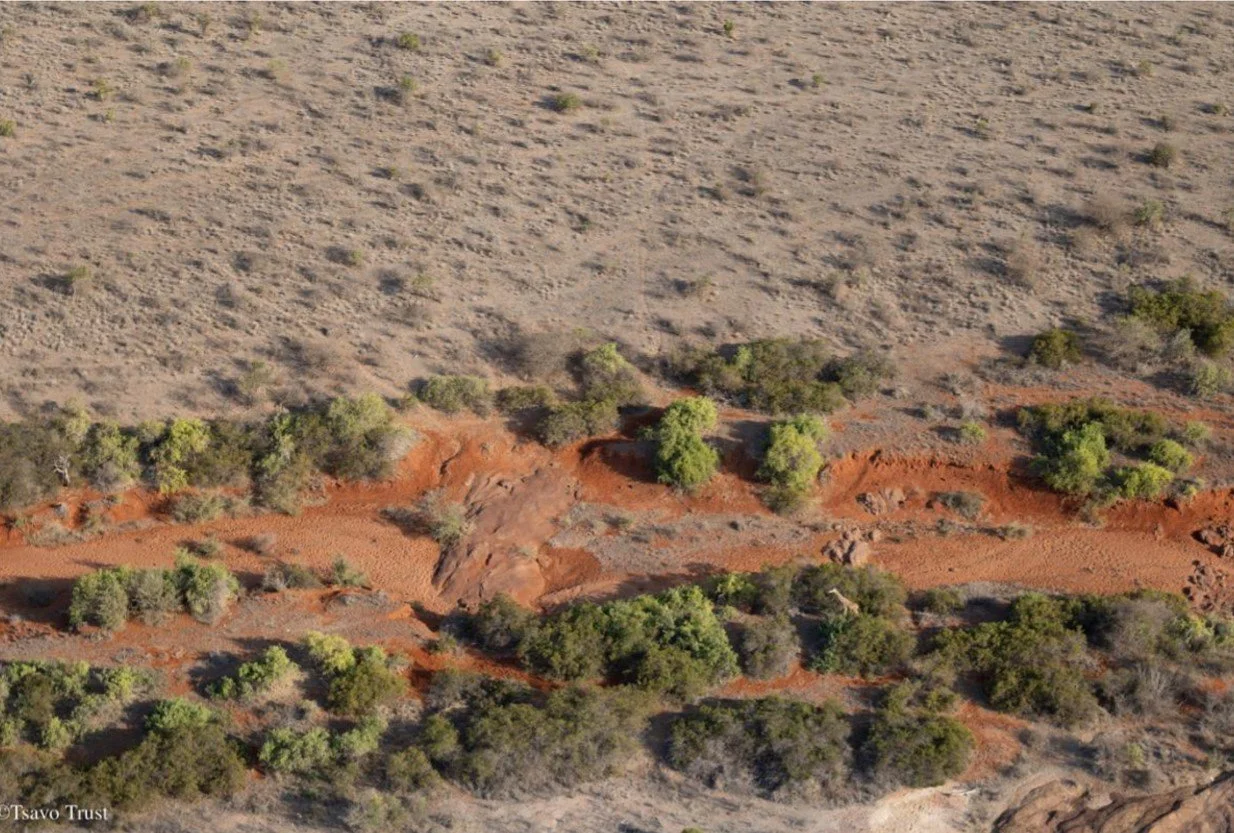
Kangeschwa B sand dam before and after, TT
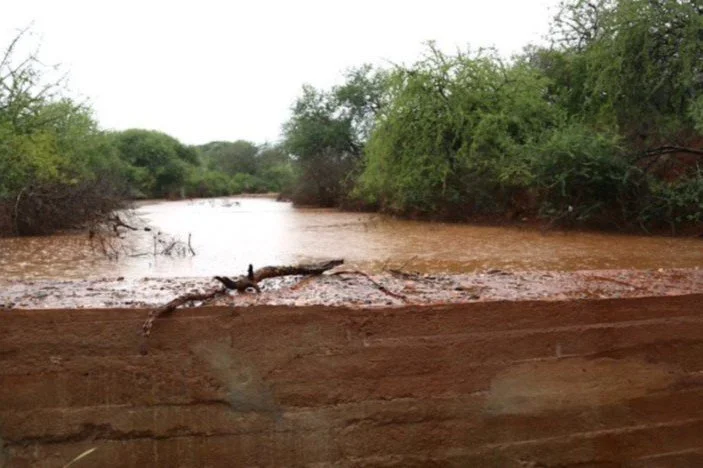
Sobo 1 sand dam before and after, TT
Availability of water and food enables wildlife to spread out across Tsavo for longer periods before converging around artificial watering holes. This dispersal reduces feeding pressure and allows over-utilized areas to recover, enhancing habitat wildlife carrying capacity.
When multiple sand dams are set along the same river, they revive plant and animal life and enhance ecoservices such as rainwater retention. Filled only during flood flows, the stored water is cleaner than the water in the Athi and Galana Rivers during low flows.
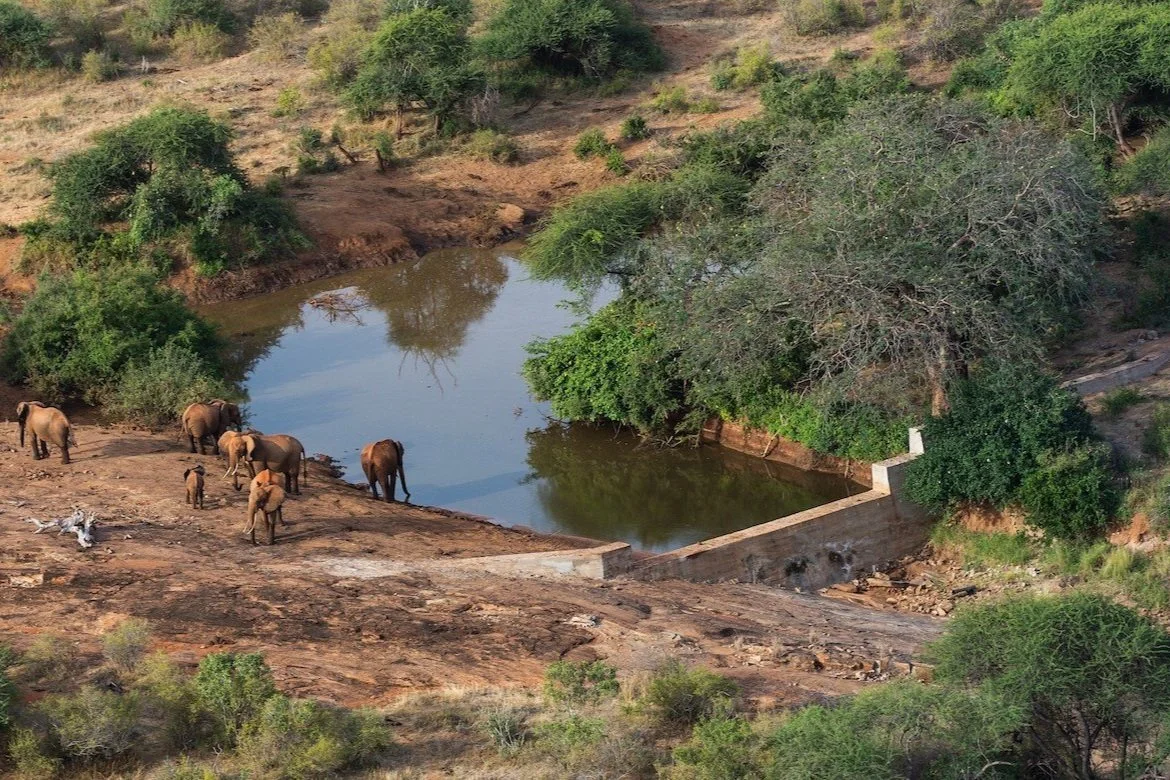
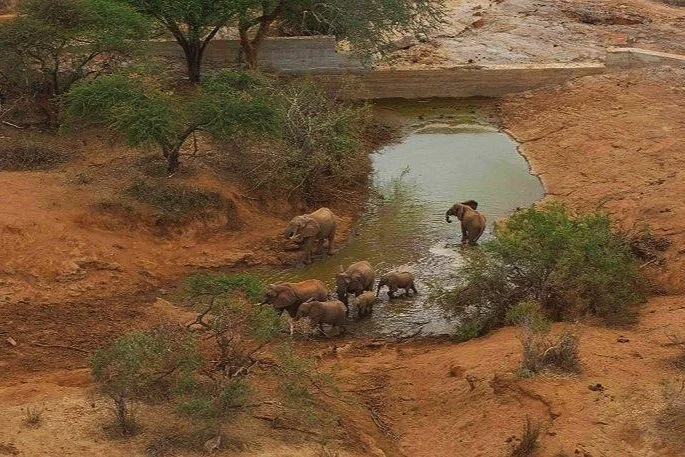
Elephants at sand dam in Tsavo, TT
Between 2019 and 2024, Tsavo Trust (TT) implemented 10 sand dams, at a rate of 2 per year, financed by WCS/DCF—a fund coordinated by the WT founder.
Aerial patrols have confirmed that the dams are popular with reintroduced rhinos and various other wildlife. In 2024, TT initiated wildlife and vegetation recovery monitoring to document the numerous positive effects.
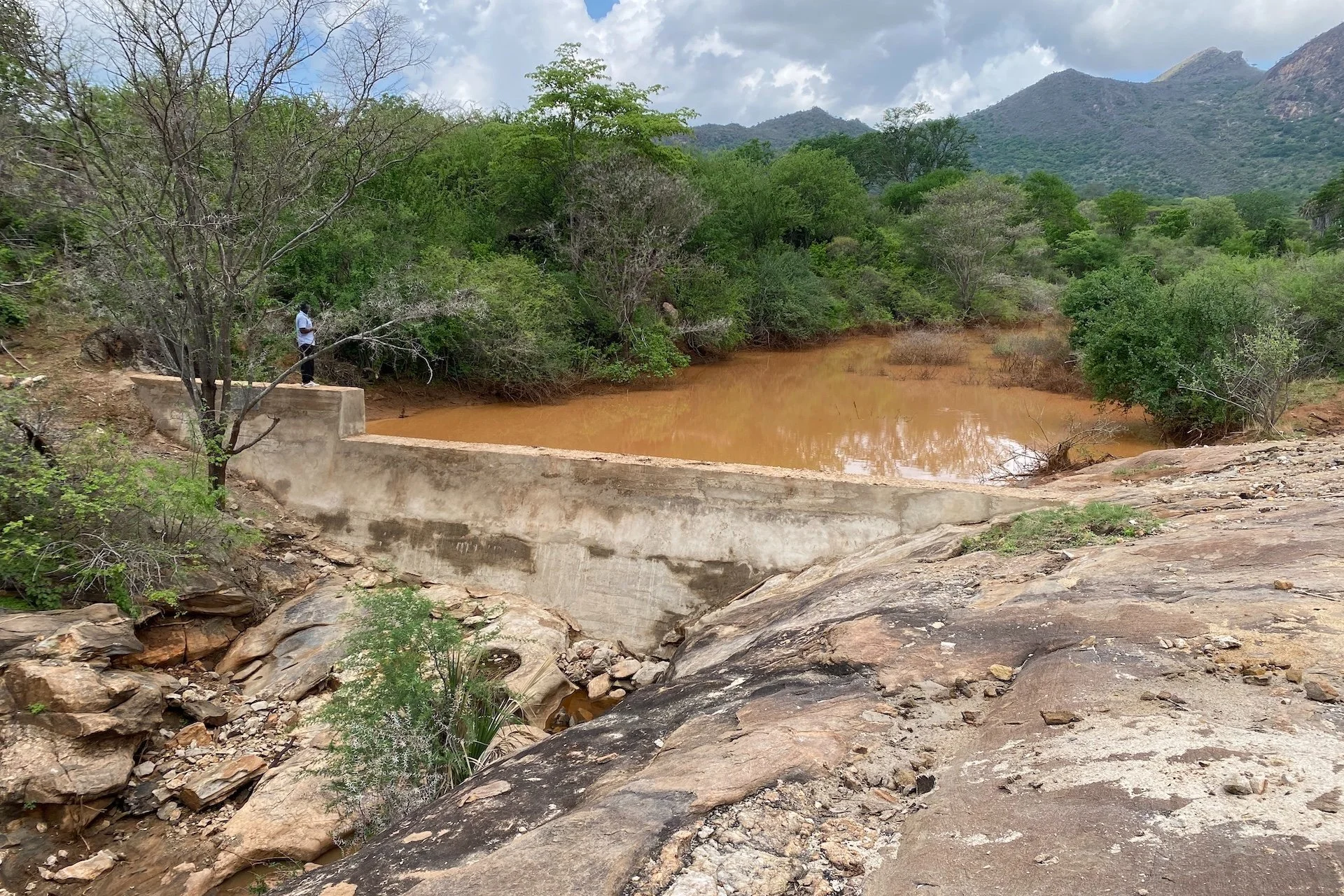
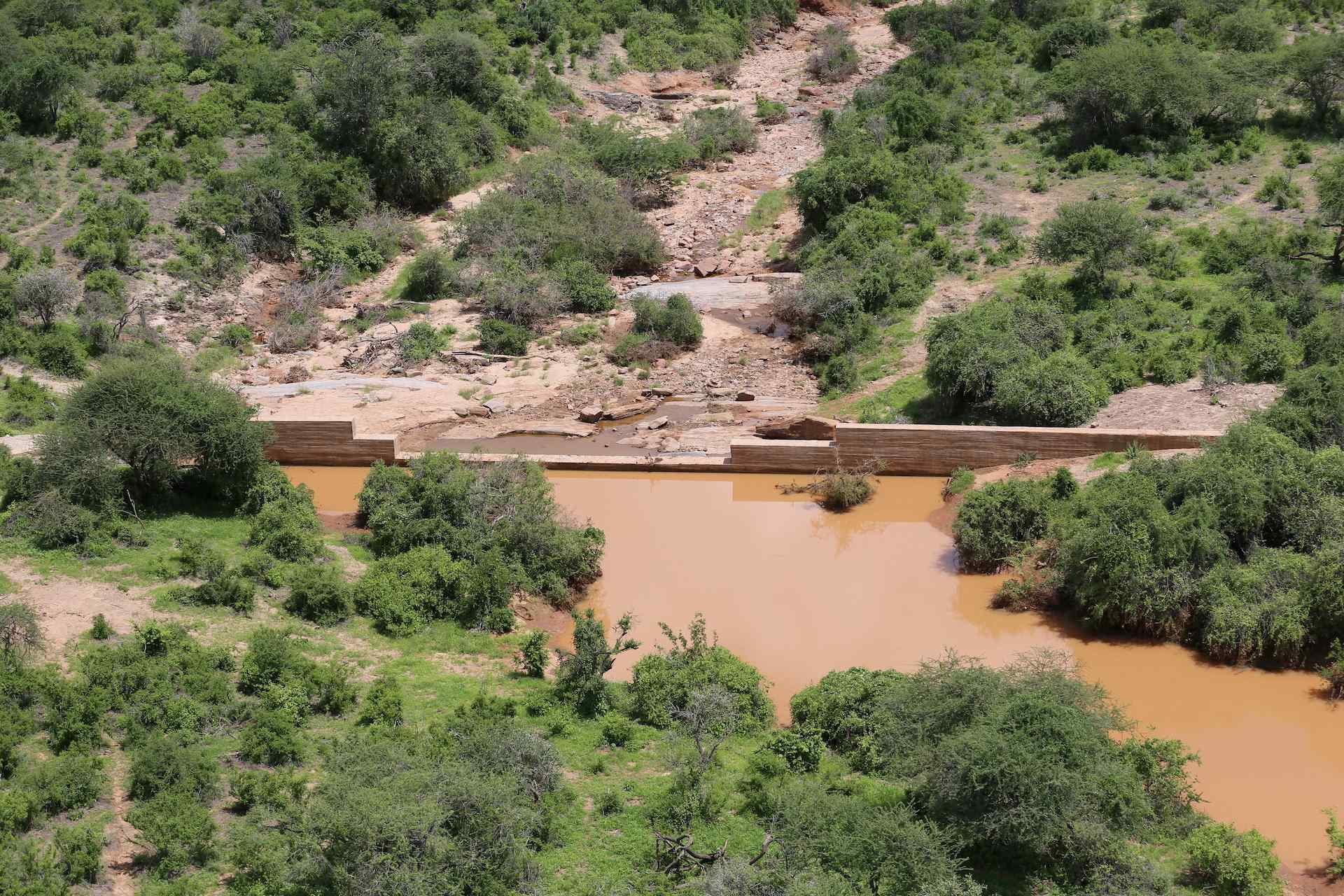
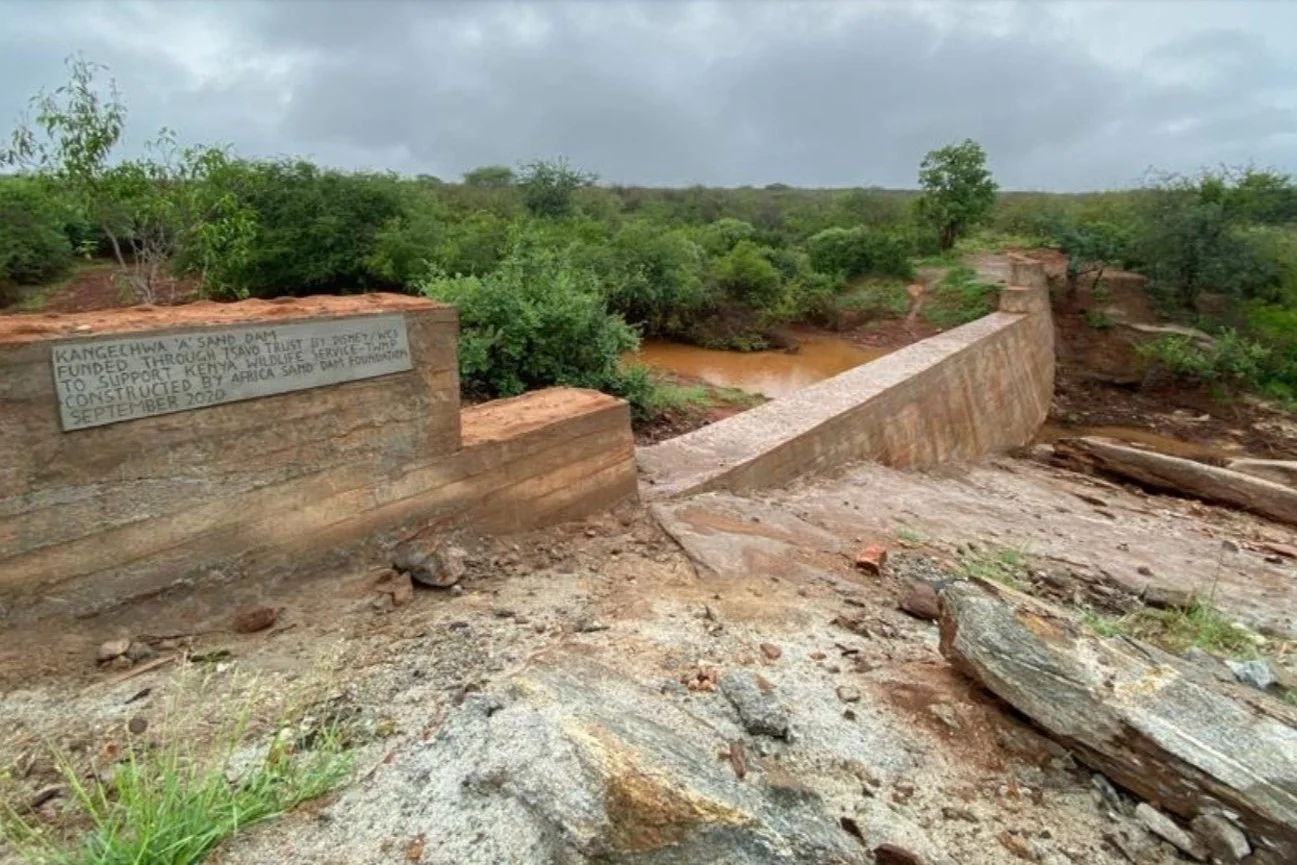
Sand dams filled with water after flood flows leave the remaining of the river dry, TT
In the future WT aims to continue finding support for TT to:
Continue the sand dams project
Implement sans dam monitoring
Desalinate Watha borehole water