

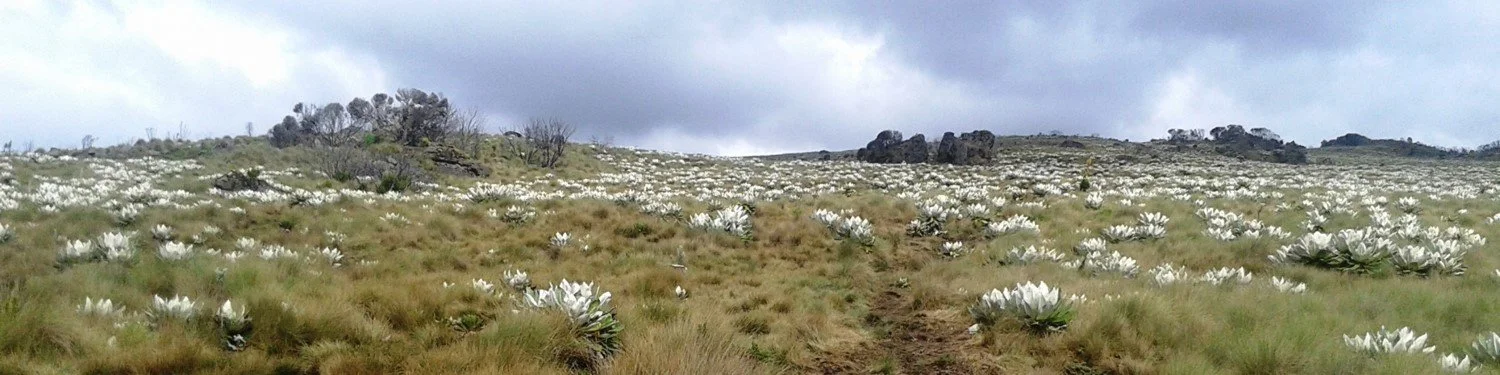
Wildlife Surveys and training
wildlife surveys
survey expert support
WT brings over 30 years of experience in designing and conducting tailored wildlife abundance and distribution surveys. Expertise ensures that each survey is adapted to specific site and topic requirements, providing insights and actionable recommendations.
TRAINING
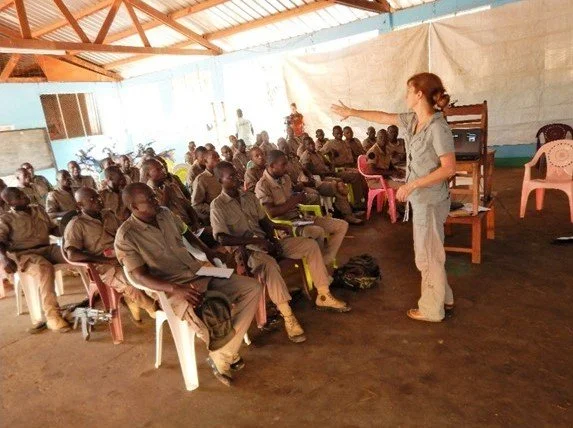
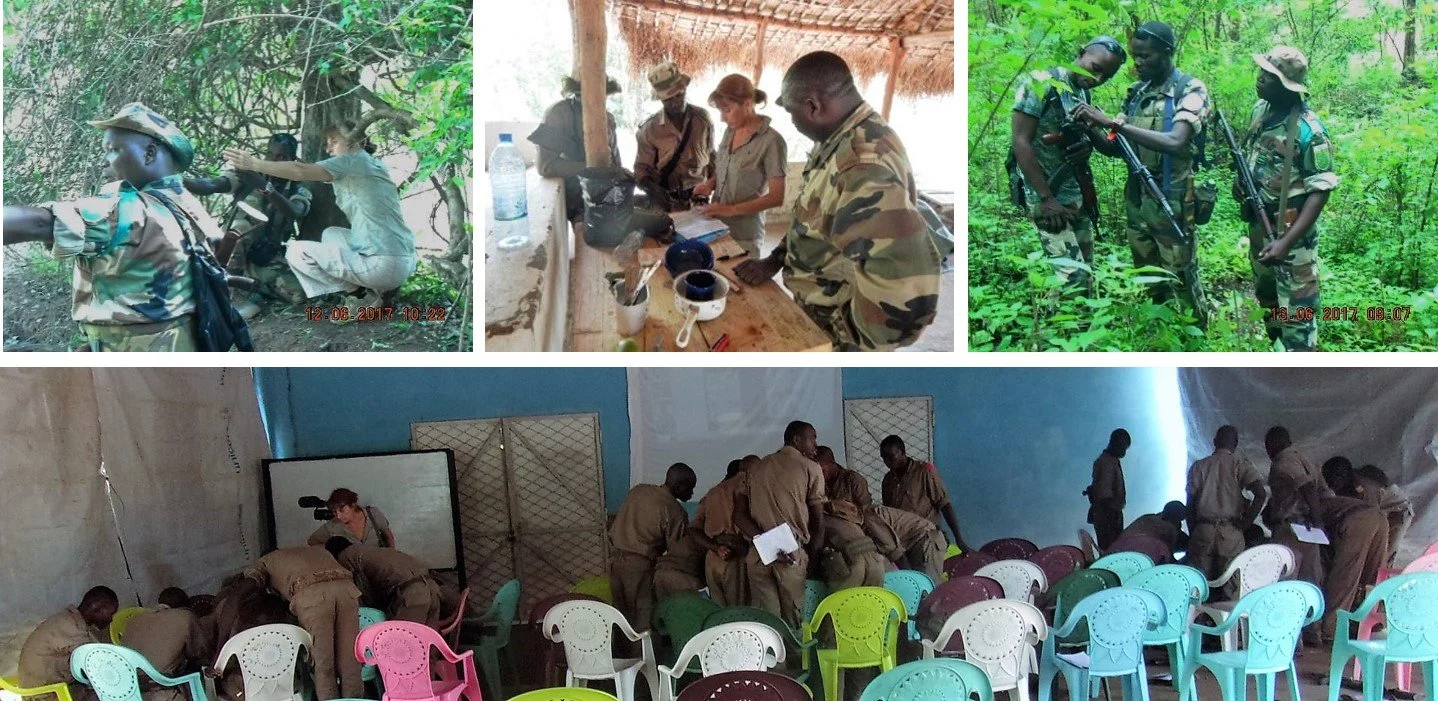
Surveys come with specialized training for wildlife staff. The amount of training is adjusted to the level of knowledge found on site. It can include training on ecological and conservation principles, GPS and map reading, SMART data collecting, camera trap monitoring.
Terrestrial transect surveys
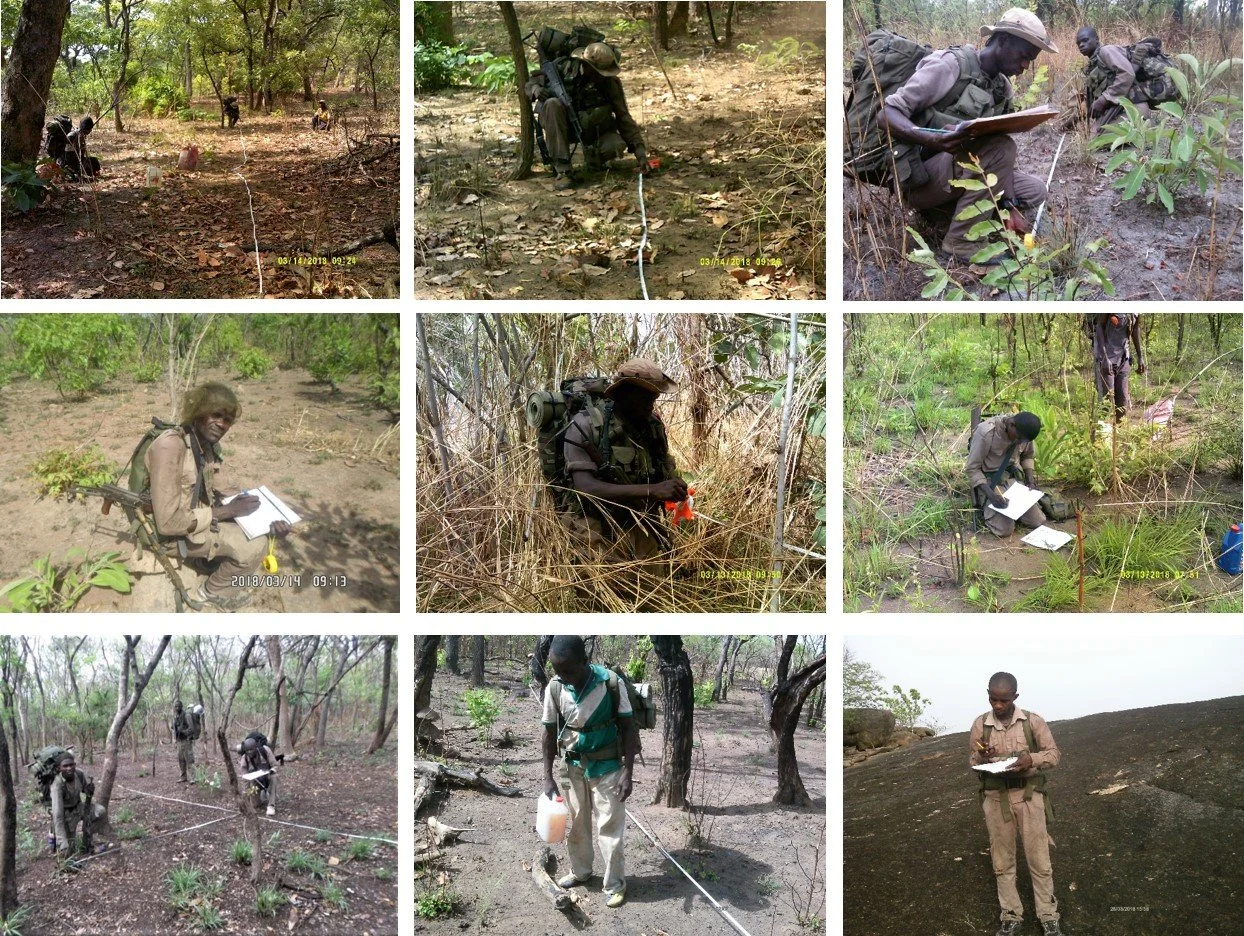
Terrestrial surveys are tailored to site- and situation-specific needs.
They are often used in forested or bushy areas between 1,000 and 10,000 km2 where reduced aerial visibility does not allow accurate aerial observations.
They allow monitoring of prints, dens, dung, etc., the presence of smaller sized-species and nocturnal species.
Terrestrial surveys are designed to allow easy repeat surveys, to look at change over time, reflecting outcomes of management efforts.
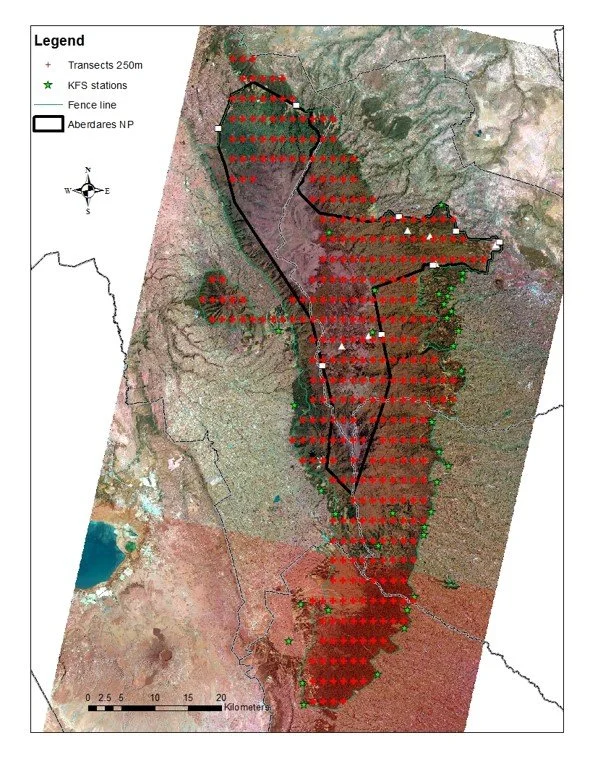
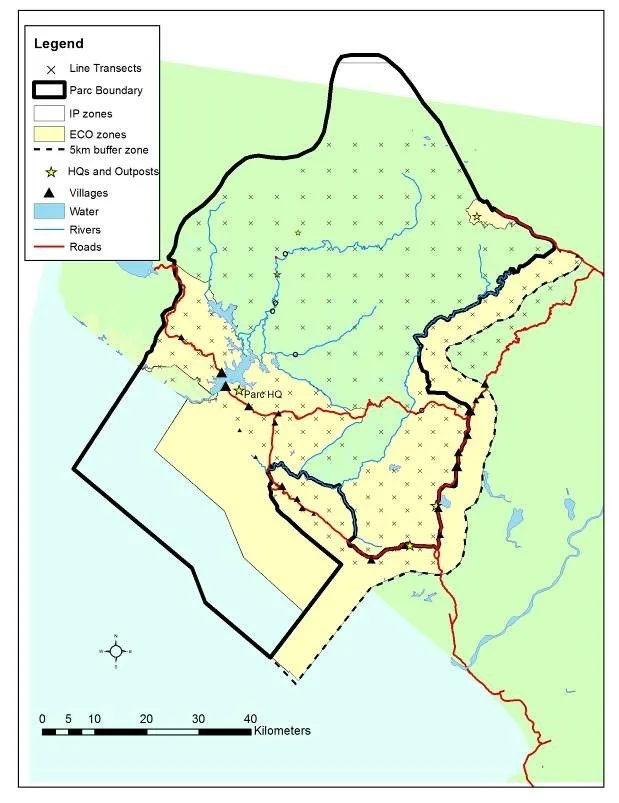
Survey designs of Aberdares FR, Kenya and Conkouati-Douli NP, Republic of Congo
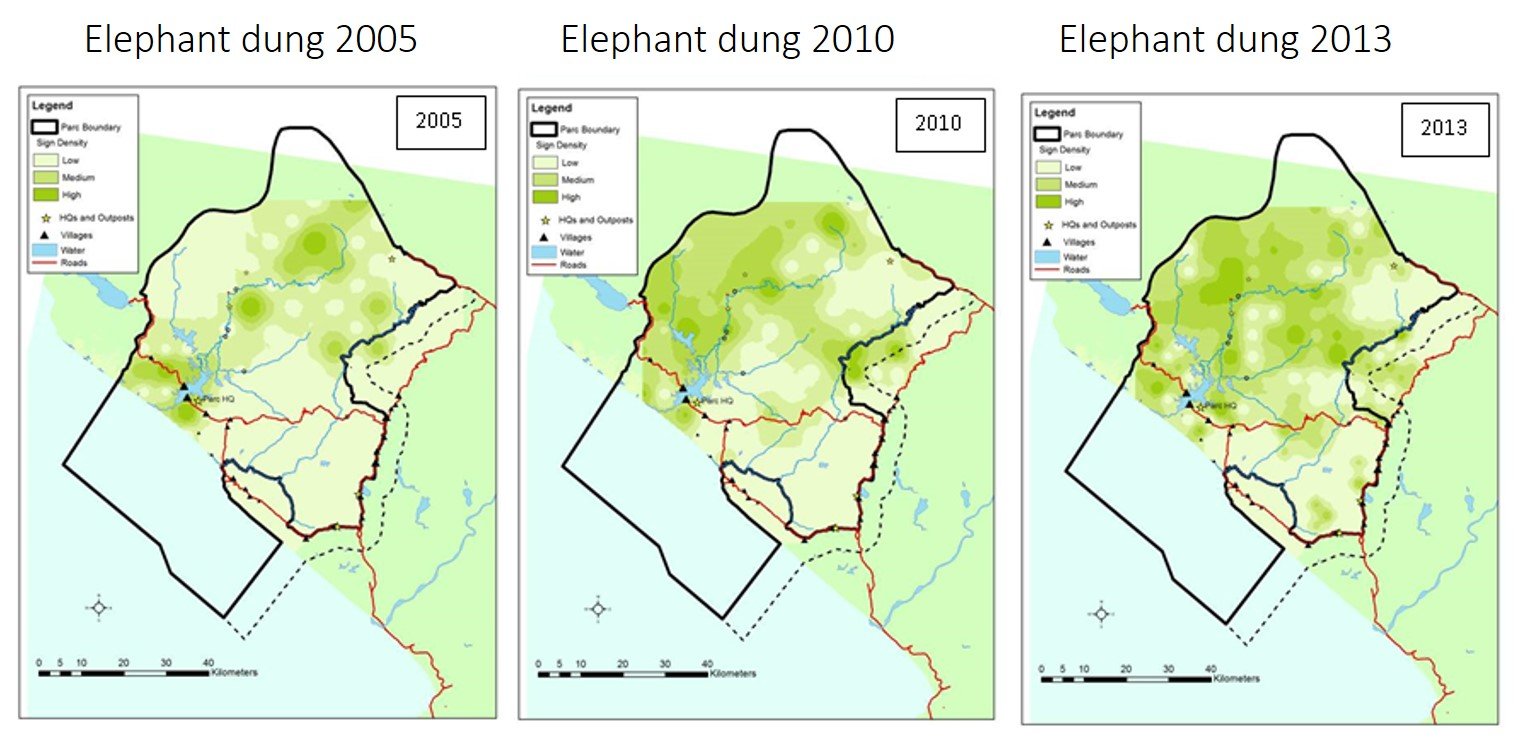
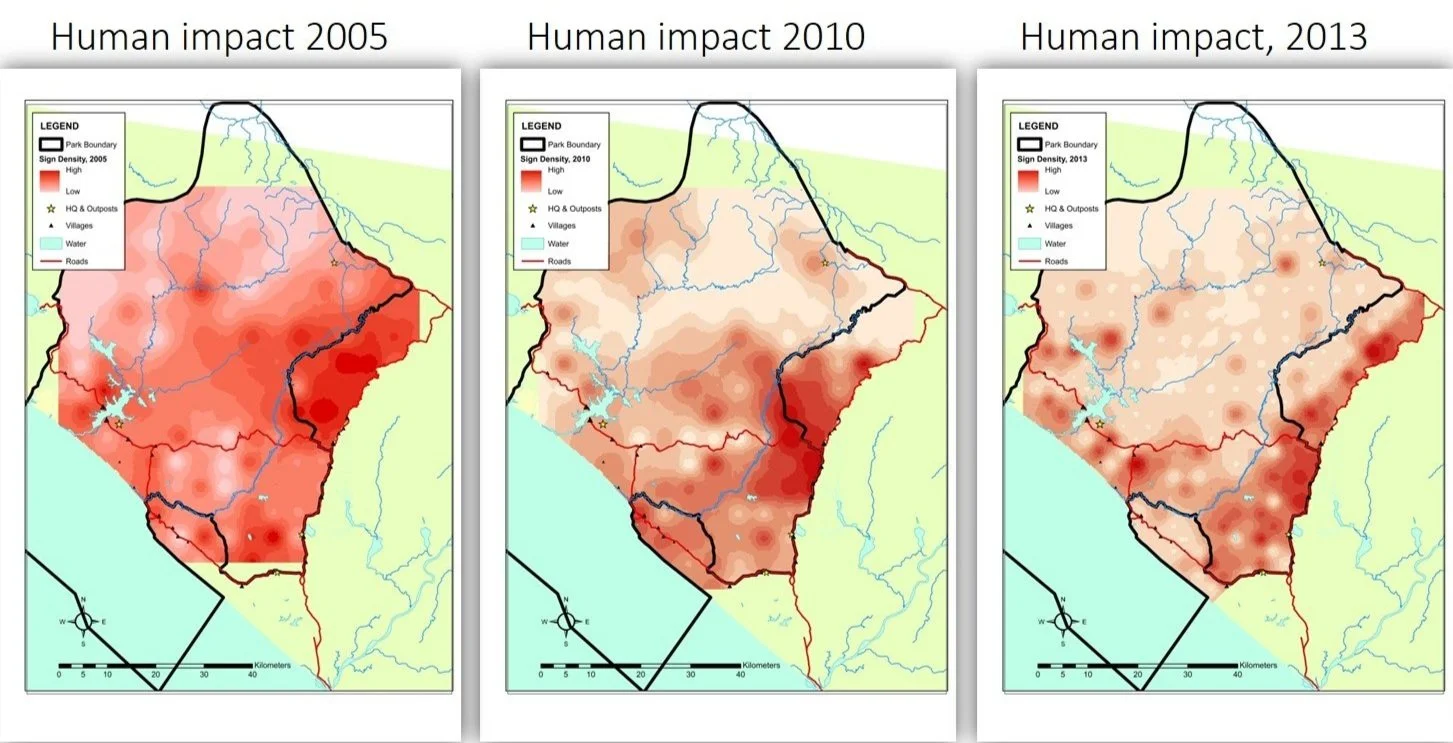
Baseline (2005) and repeat (2010, 2013) surveys, Conkouati-Douli NP
Aerial transect Surveys
Aerial surveys are tailored to site- and situation-specific needs.
They are mostly used in open large areas of more than 5,000km2, where aerial visibility is sufficient to allow counting animals from a plane.
Areal surveys can establish relative abundance and distribution of large and medium-sized wildlife and people (settlements, illegal camps and livestock), ecological features such as water holes and lakes and land degradation like erosion, tree logging and mining.
Aerial surveys can serve as a systematic exploration of a large area, to follow-up with a terrestrial survey to include wildlife and their sign that cannot be seen from an aircraft.
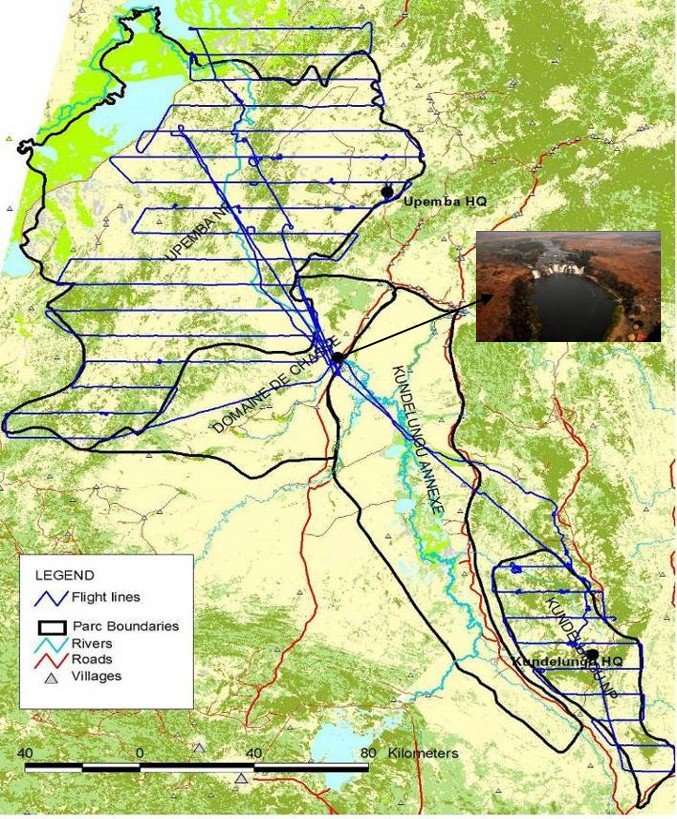
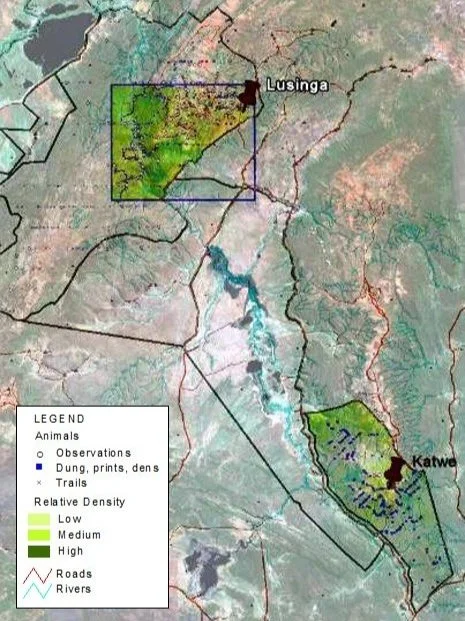
Aerial survey followed by terrestrial survey, Upemba & Kundelungu NPs, 20,000km2, DRC
camera trap Surveys
Camera trap surveys can focus on specific species or locations, capture nocturnal species and/or rare species.
Camera traps are usually deployed over a long period of time at selected sites such as wildlife trails, lakes, rivers, forest clearings, salt licks, road and river crossing points.
Camera traps are non-invasive and can be well hidden to capture rare species as well as illegal anthropogenic activities.
Capable of storing photos or short footage over a long period of time, they lend well as a monitoring tool in remote places that are not regularly visited.
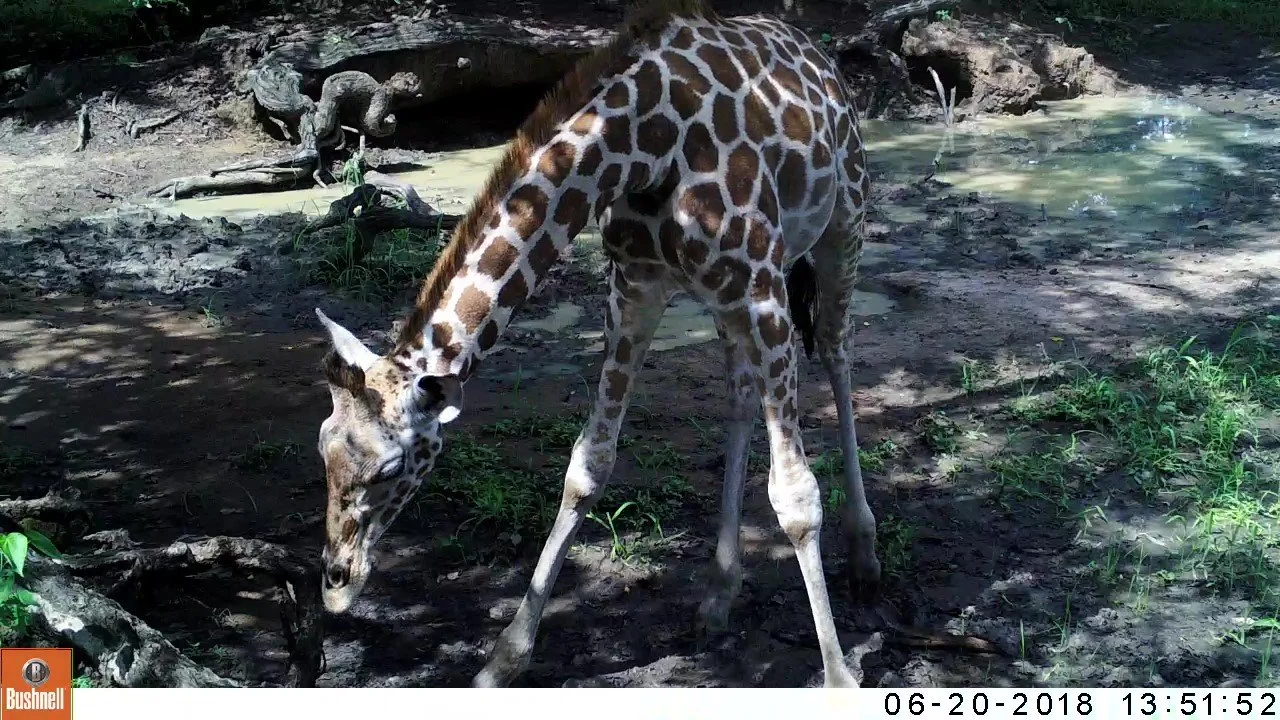
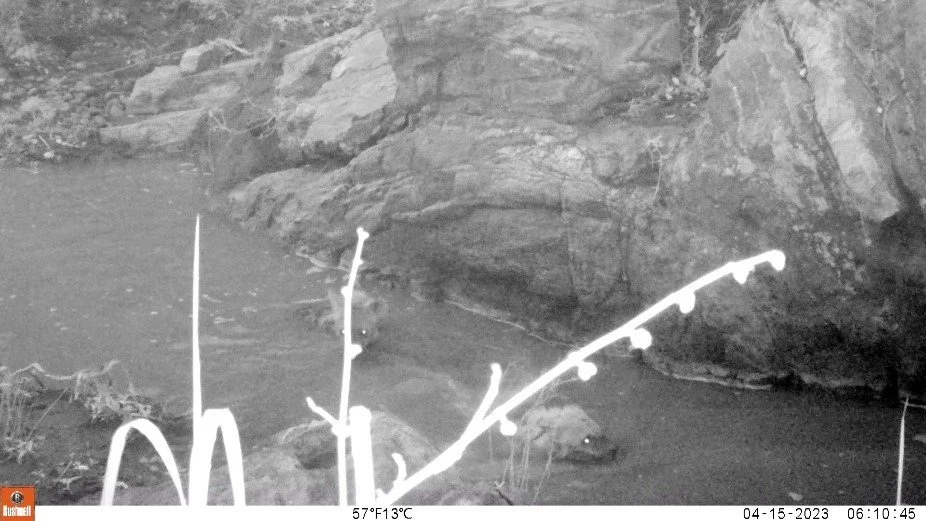
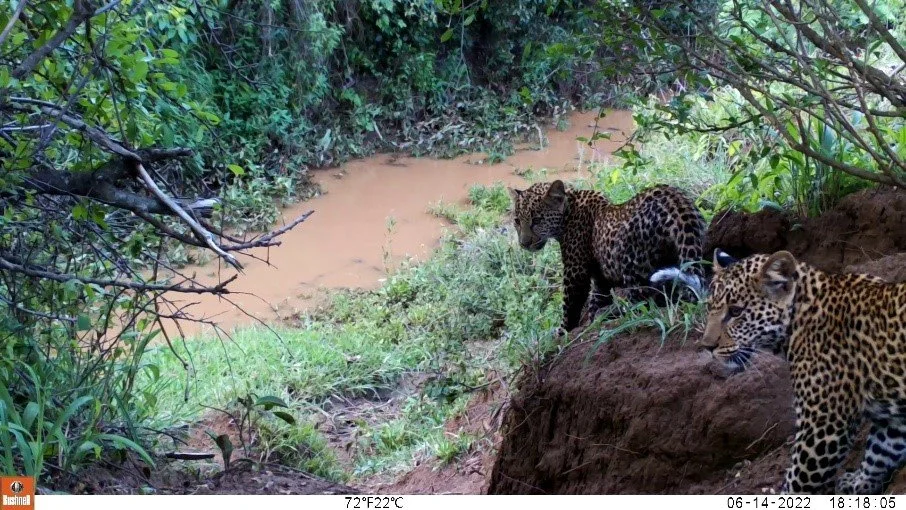
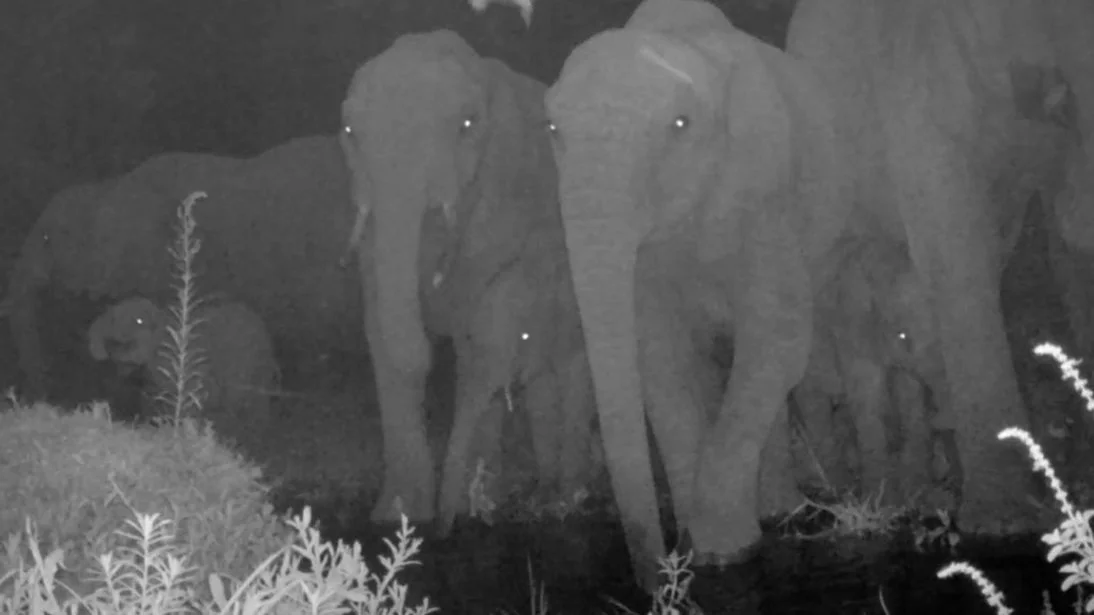
Kordofan giraffe, Bamingui NP, C.A.R. and; resident leopards, resident swimming hyena and visiting elephants, Timau River, Kenya
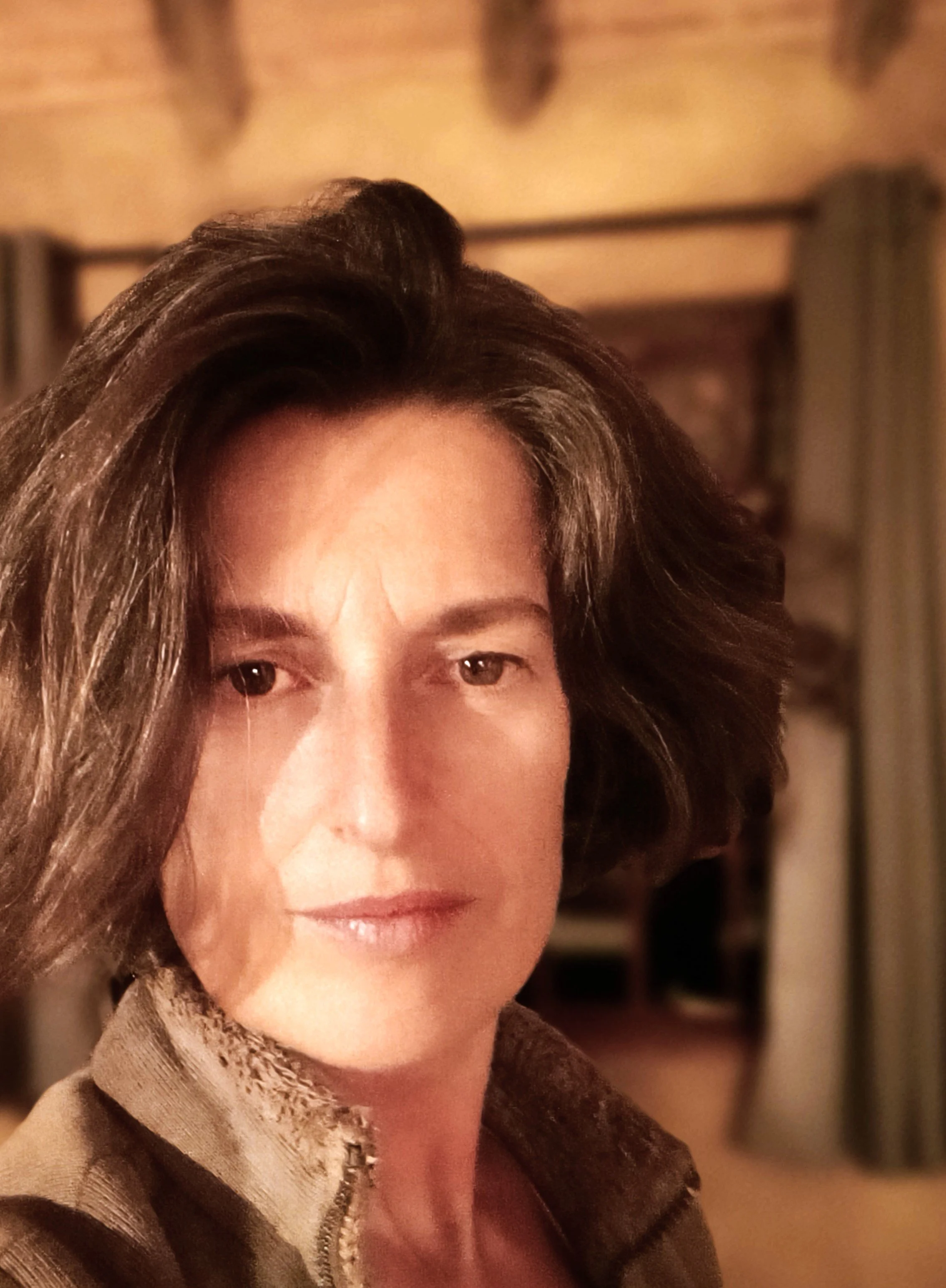
MEET Dr. Hilde Vanleeuwe
Dr. Hilde Vanleeuwe, PhD
Wildlife land-use management expert
BIOGRAPHY
Hilde is a wildlife conservation professional with extensive experience in ecological research and sustainable management of wildlife and their habitats. She uses applied research to draft data-informed solutions, revalidate abandoned wildlife habitats, and promote wildlife corridors.
Between 1994 and 1997, Hilde was in Odzala National Park, Republic of Congo, exploring remote places by following over 2000km elephant trails. Her discoveries outside the park boundaries contributed to the extension of the park from 2,800km2 when created in 1935 to 13,600 km2 in 2001, making it one of the largest and most ecologically significant protected areas in the Congo Basin.
Between 1999 and 2004, she launched an elephant movement study on Mt. Kenya, financed by the EU through the Kenya Wildlife Service (KWS) and she participated in most KWS’ aerial large mammal surveys events. Her Mt. Kenya study developed into a PhD in biodiversity management at the Durrell Institute for Conservation and Ecology (DICE), UK.
Long-term work experience
2004-2015: Director of Conkouati-Douli National Park (CDNP), Republic of Congo
In 2004 Hilde started working as CDNP’s director for the Wildlife Conservation Society (WCS). During her tenure, financial support, associated surveillance, research and outreach activities multiplied several fold. Most importantly, wildlife increased many fold and elephant poaching reduced from rampant to quasi nil.
Hilde also accomplished a large mammal survey in abandoned Upemba and Kundulungu NPs in DRC in 2008, which resulted in financial support for their management.
2015-2024: Elephant project funding coordinator and research associate in Kenya
In 2015 Hilde coordinated and implemented baseline line-transect surveys of Kenya's 3 largest forested mountains; Mt Kenya, Aberdares and Mau Forests, at the request of the Kenya Wildlife Service (KWS).
In 2016, she took charge of the coordination of a 10-year Disney Conservation Fund (DCF) for elephants that had been launched in Kenya in 2014 for WCS.
Between 2016 and 2019, Hilde also became the ecological monitoring coordinator for the EU-funded ECOFAUNE+ project in the greater Bamingui-Bangoran and Manovo Gounda St Floris PA’s in NE Central African Republic, where she spent 3 months every year.
To maximise conservation impact in her role as an elephant funding coordinator in Kenya, Hilde combined her own research skills with expertise of various other on-site conservation partners. She focused spatially on the country’s largest elephant strongholds and topically on habitat connectivity maintenance and restoration and associated human-elephant conflict (HEC) mitigation.
In July 2024, she founded "Wilder Things" to advance and expand onto selected projects with important conservation outcomes (that were initiated under DCF in Kenya), such as the Timau River corridor project, and to build a portfolio of new projects, starting with the Kimugandura Elephants Dispersal area project.