

community outreach in tsavo
2016-2024 Prjects financed by the Disney conservation fund (DCF)
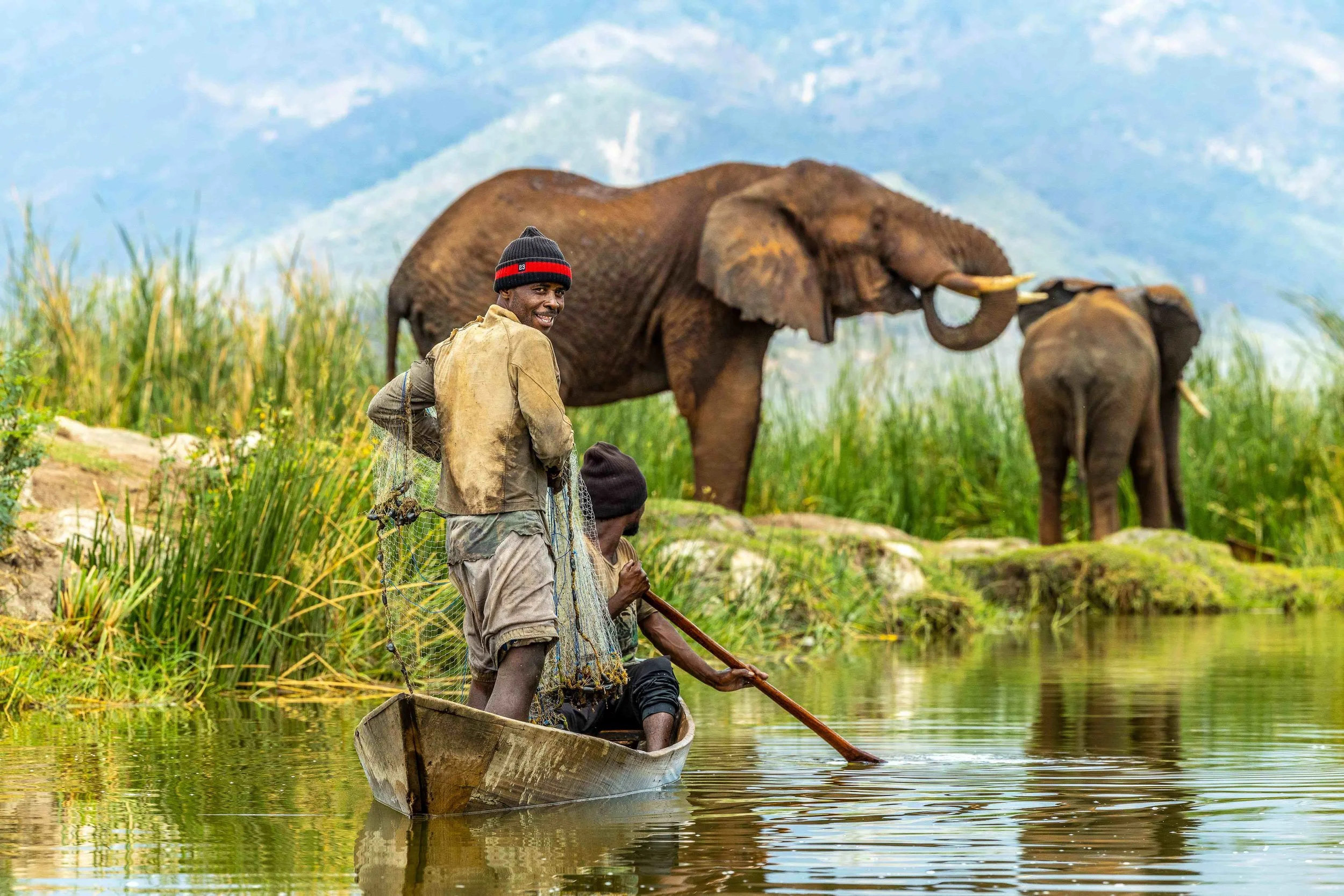
Lac Jipe elephants and human cohabitation, STE
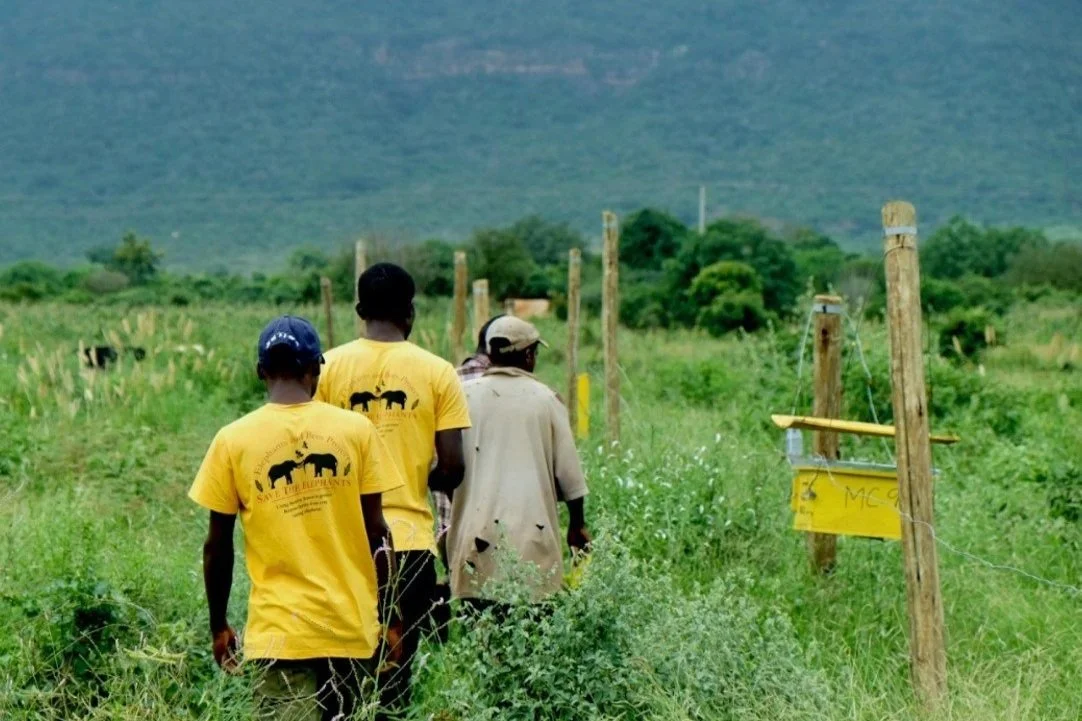
Elephant beehive fence, STE

Elephant unpalatable crop, STE
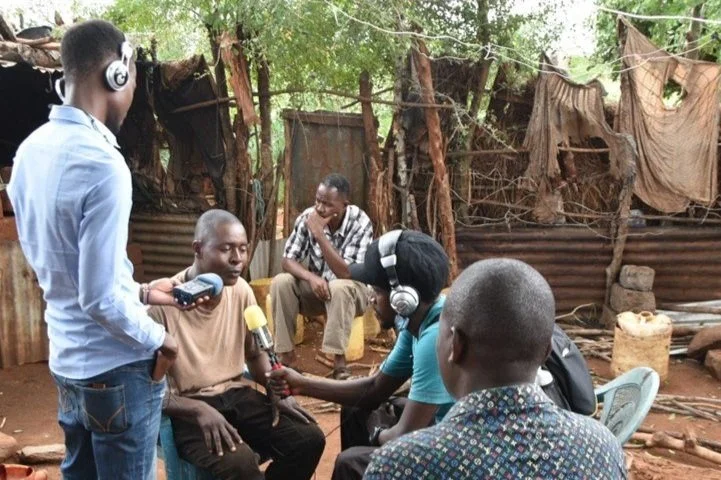
Radio outreach “Sauti ya pori”, Amara
challenges
An old railway used for cargo, a new railway (the SGR) and a highway, connects the port of Mombassa to the capital Nairobi and separates Tsavo East NP from Tsavo West NP. In between the two Tsavo’s one finds the urban centre of Voi and the Taita hills with farming communities.
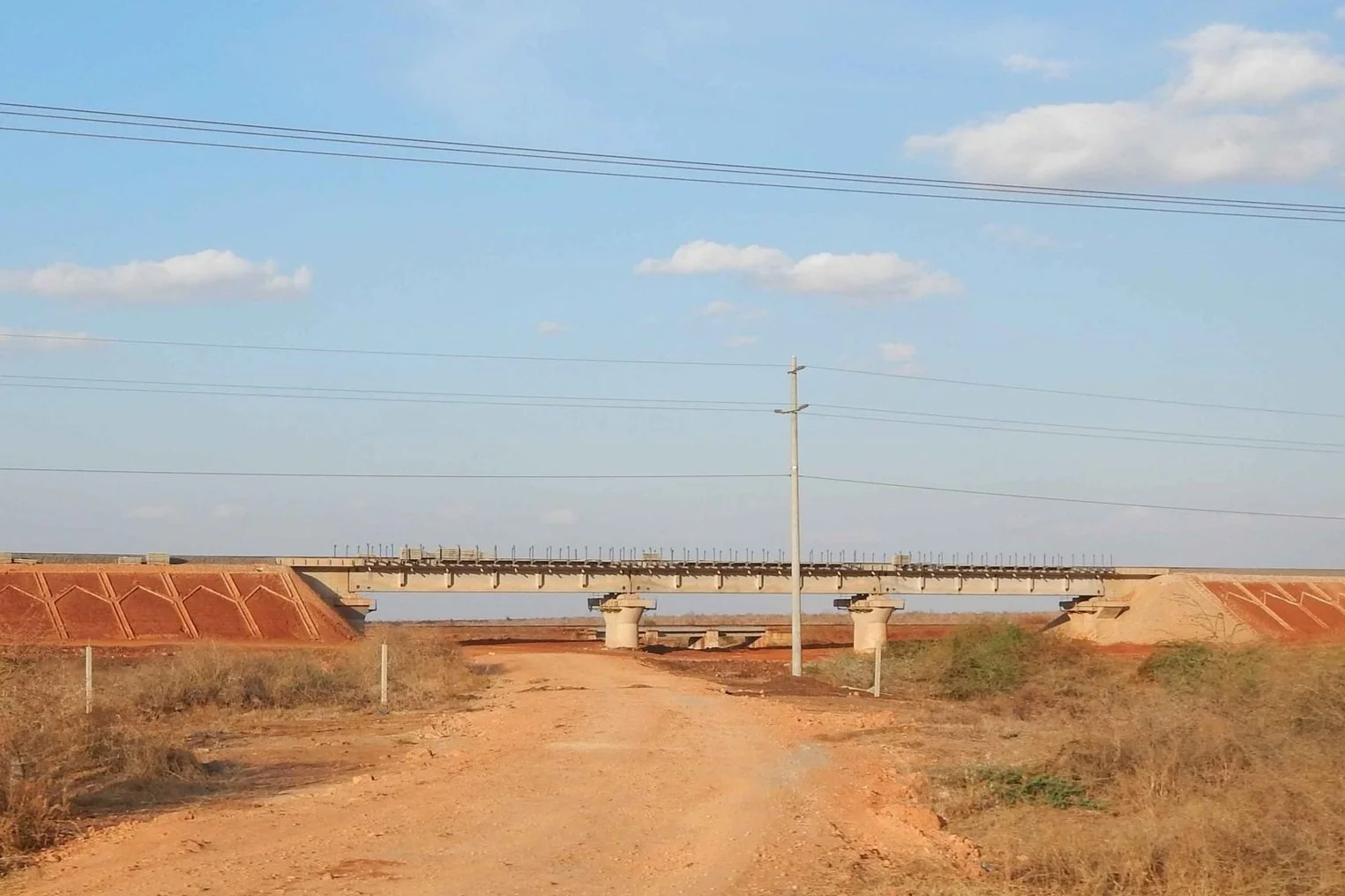
The SGR sits on a heightened bank with underpasses for wildlife but most of these are not located where wildlife naturally crosses. Some elephants climbed up the banks to cross instead of using an underpass. This led to fencing the Tsavo East side of the railway.
When navigating the railway underpasses, wildlife finds themselves confronted with a busy highway with no designated areas to cross.
In Sagalla, Taita county, the STE Elephants and Bees project had been working for many years with “frontline” farmers (those located next to elephant migration routes). The location of the SGR underpasses shifted HEC to new areas and created new frontline farms.
People illegally occupy the narrow strips between the highway and the railway where lots of illegally produced of charcoal is being sold.
Human-Wildlife Conflict (HWC) around Tsavo generally consists of wildlife crop raiding and of wild lands degradation through charcoal production.
Raised SGR railway and wildlife underpass
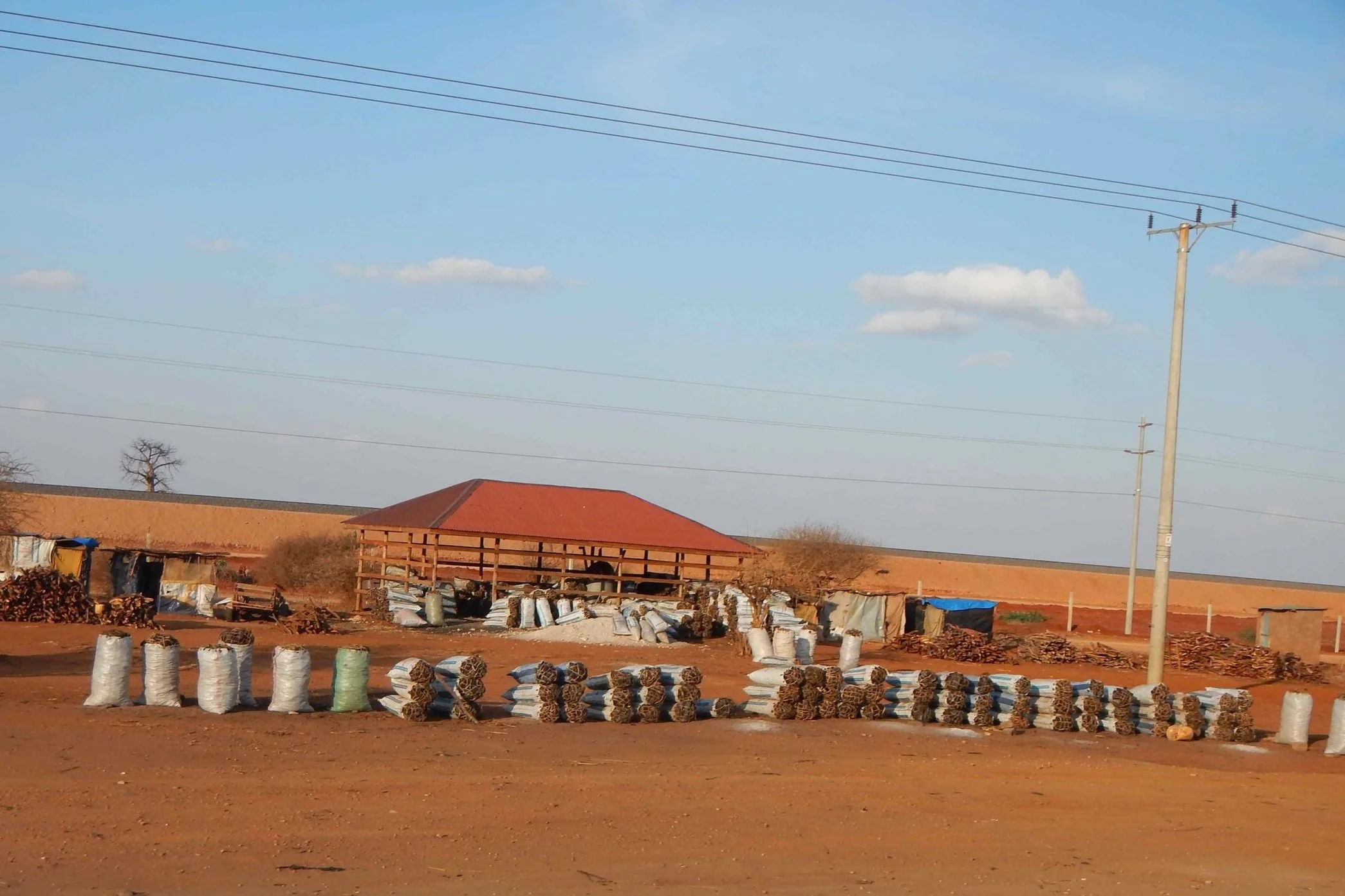
Illegal charcoal for sale along the highway
SOLUTIONs
SAVE THE ELEPHANTs (STE)
“Elephants and bees” project
Based in Sagalla, Taita district, has been working many years with local farmers.
The project installs and monitors beehive fences to keep elephants away from crops. Beehive fences also provide an extra source of income from honey.
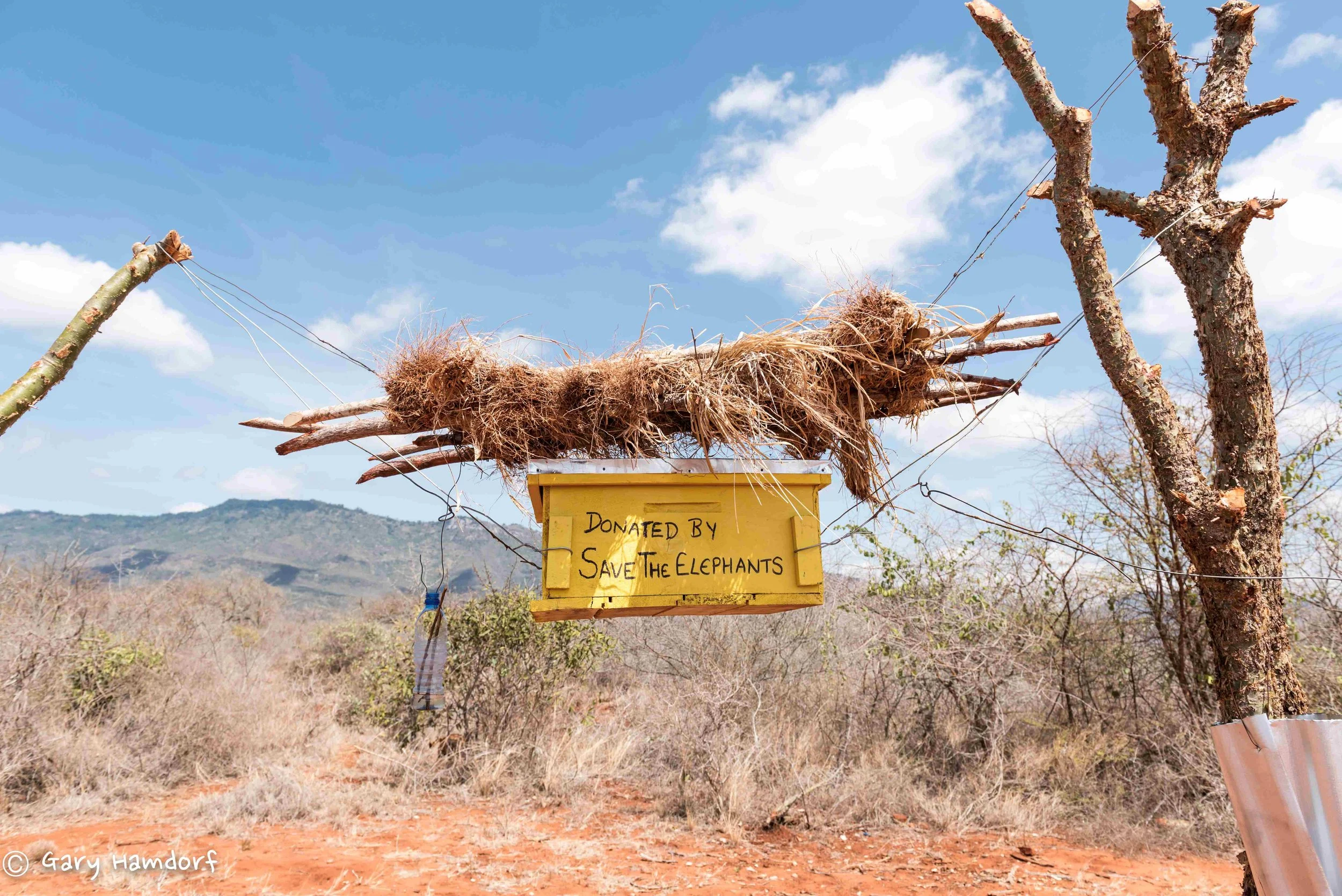
STE beehive fence
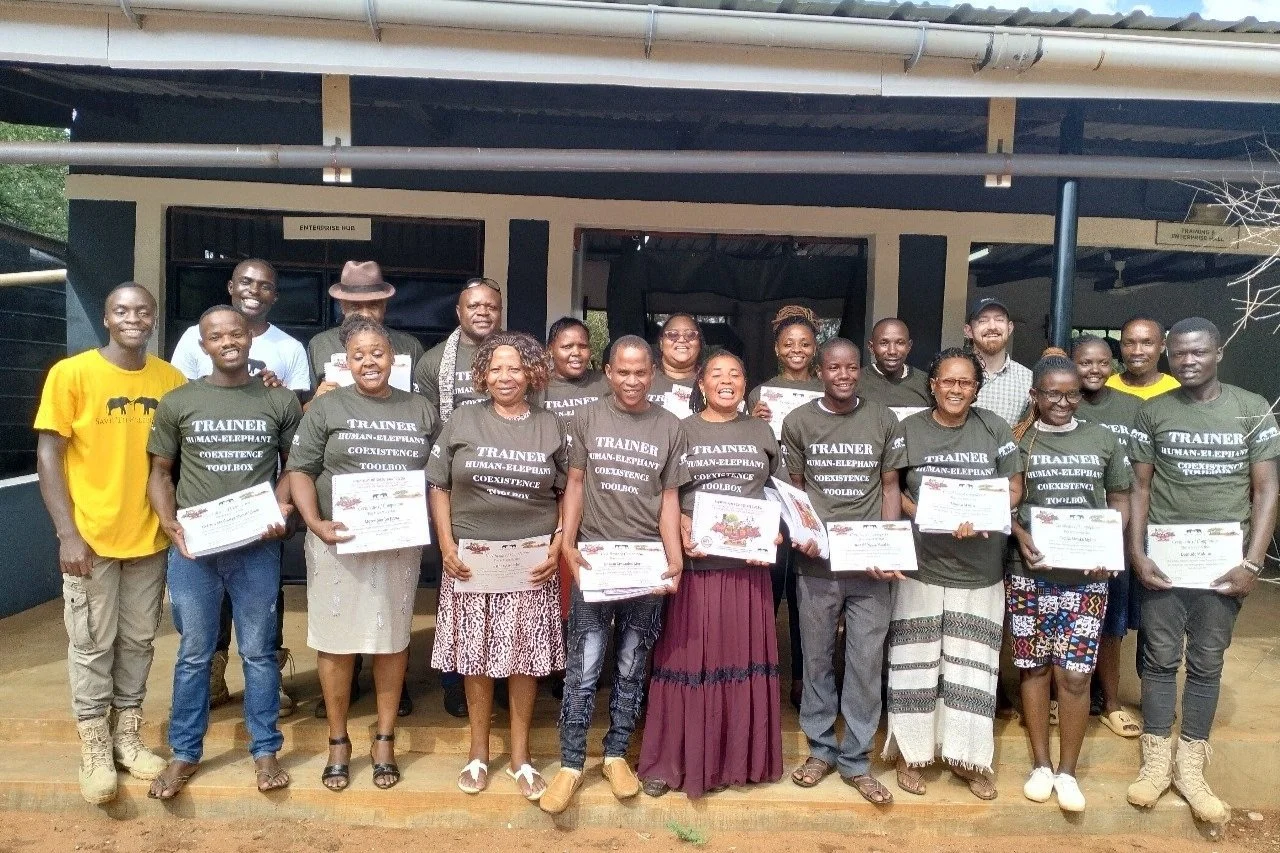
To expand this successful grassroots project, their centre in Sagalla provides training for trainers.
STE equally works on many other projects such as a Human-Elephant-Conflict (HEC) mitigation toolbox, including locally made repellents, chilli fences, buzz boxes, drones and a large variety of locally fabricated noise-making items
They study elephant unpalatable crops and boost permaculture (improved crops using a smaller surface). They discovered that elephants don’t eat sunflowers. Sunflowers can be used to produce sunflower oil.
Other work includes the support of women groups and feeding school children in areas heavily affected by elephants, such as the Lake Jipe primary school.
Being a less populated area than Mountain CA, several forms of human-wildlife cohabitation and conflict reduction are possible.
STE raining of trainers in beehive fencing
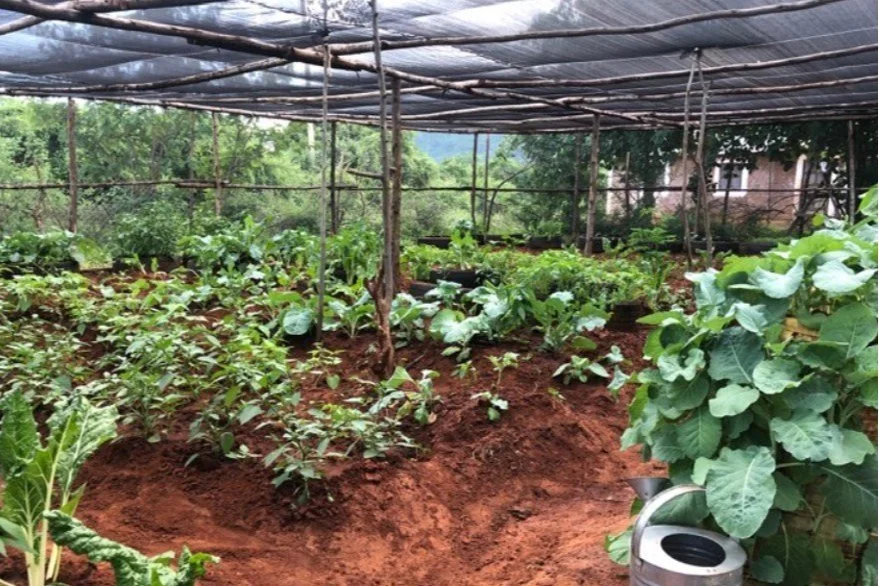

Agriculture study plot and sunflowers -not palatable to elephants-, STE
AMARA
Amara is a pro-active environmental education and outreach organization, using radio as a media plateform.
Most local communities around Tsavo live without electricity, and radio is therefore a highly used form of entertainment and efficient form of communication, reaching up to 1 million people
The radio outreach program is called “Sauti ya Pori” (Voice of the wild) in Kiswahili. Amara often invites people from the Kenya Wildlife Service (KWS) or Tsavo based conservation organizations such as STE.
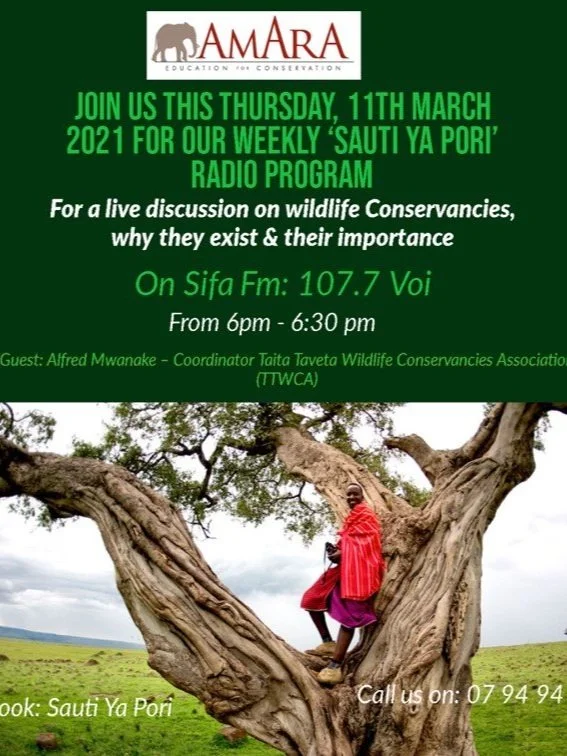

Outreach broadcasted topics include:
Human-wildlife conflict mitigation
Conservation agriculture practices
Benefits of wildlife for communities
Food security
Beehive fences
Compensation for wildlife damage
Innovations in conservation
Youth in conservation
Jobs in conservation
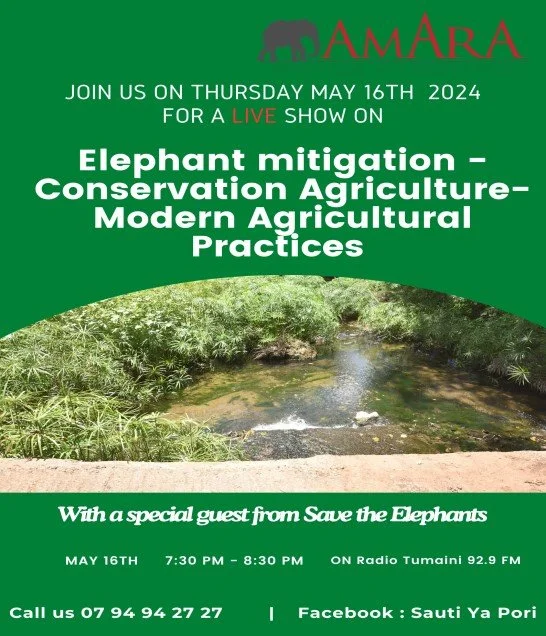
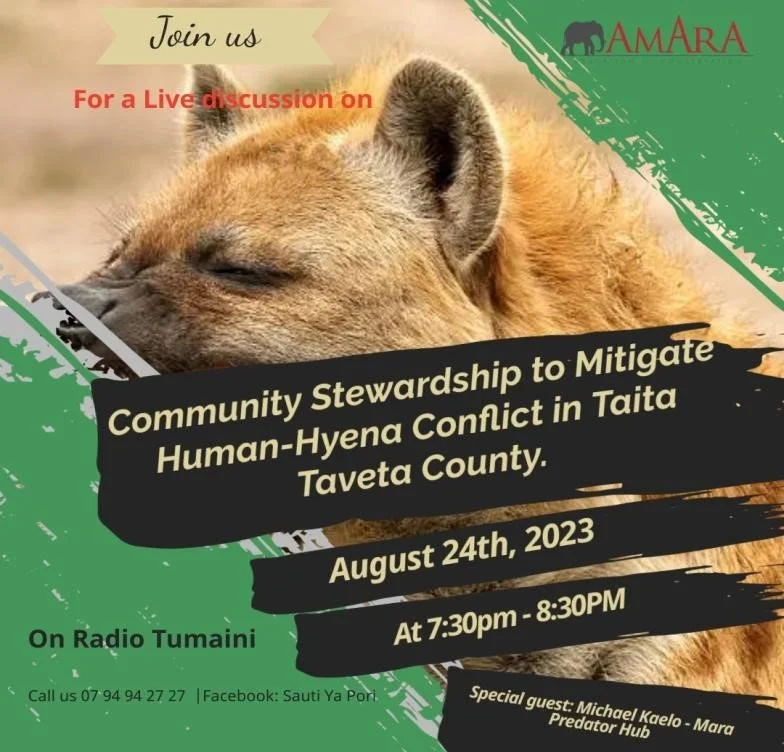

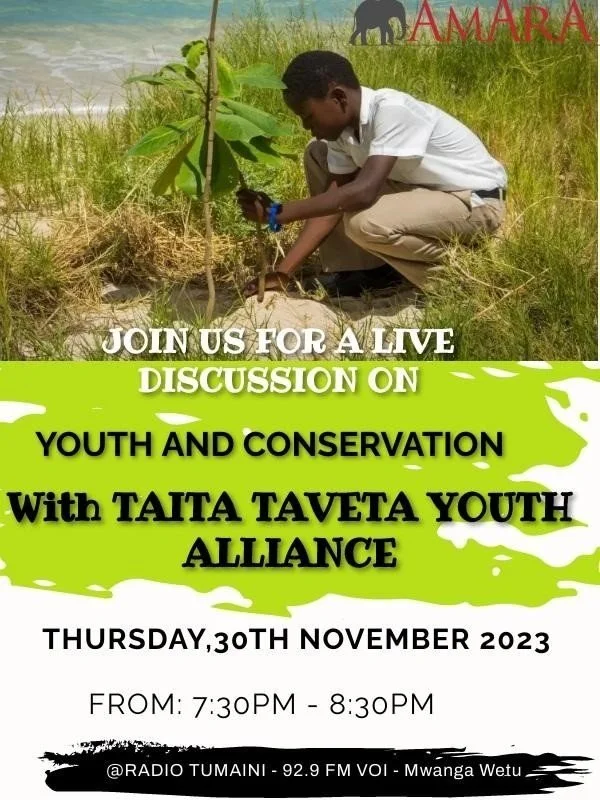
Some of many topics covered by radio outreach, AMARA