

PROJECTS
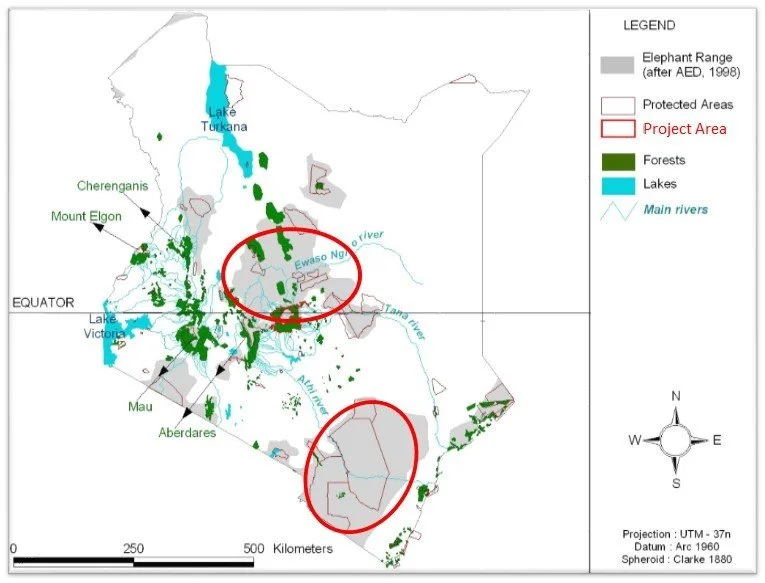
SPATIAL focus
Wildlife Strongholds/ Conservation Areas (CA’s):
Tsavo CA (~16,000 elephants)
Mountain CA (~15,000 elephants)
topical focus
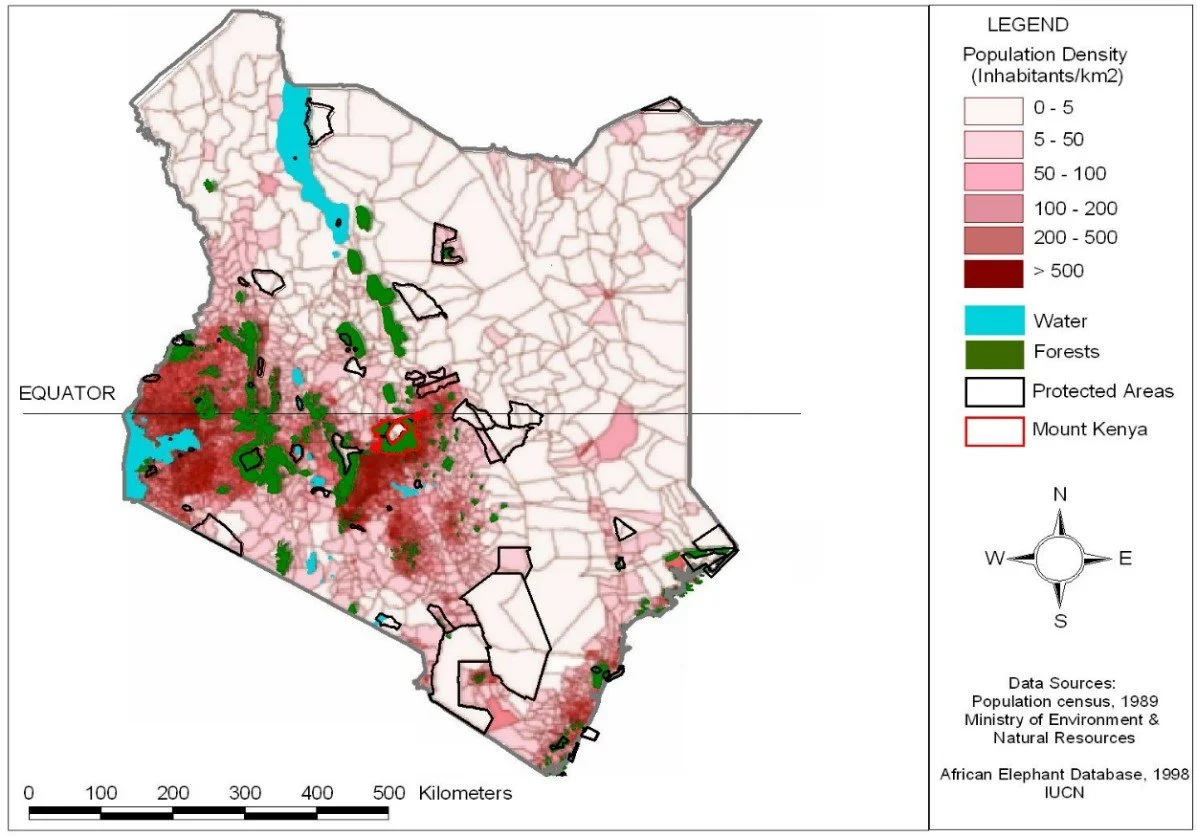
Rapid demographic growth threatens wildscapes through loss and degradation of land and severing of wildlife corridors, competition for river water, grazing, and ensuing human-wildlife conflict.
MOUNTAIN CA
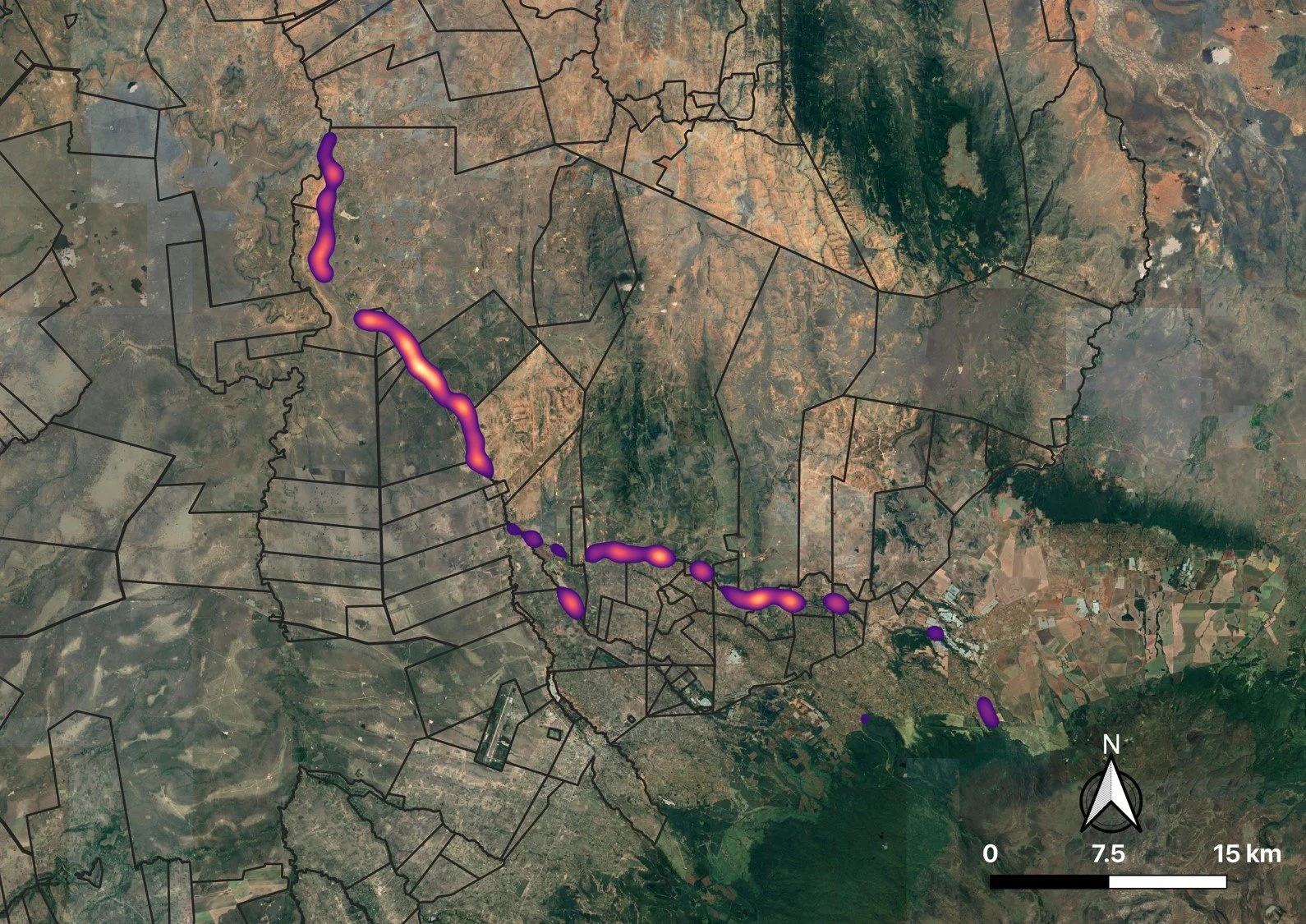
Timau river wildlife corridor
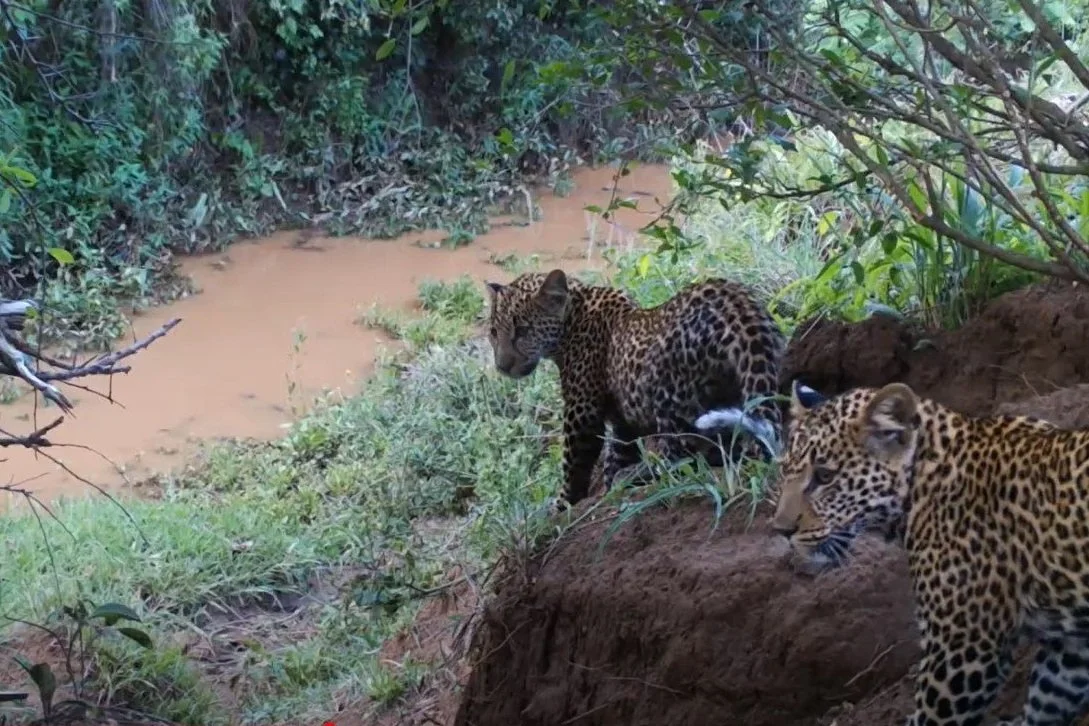
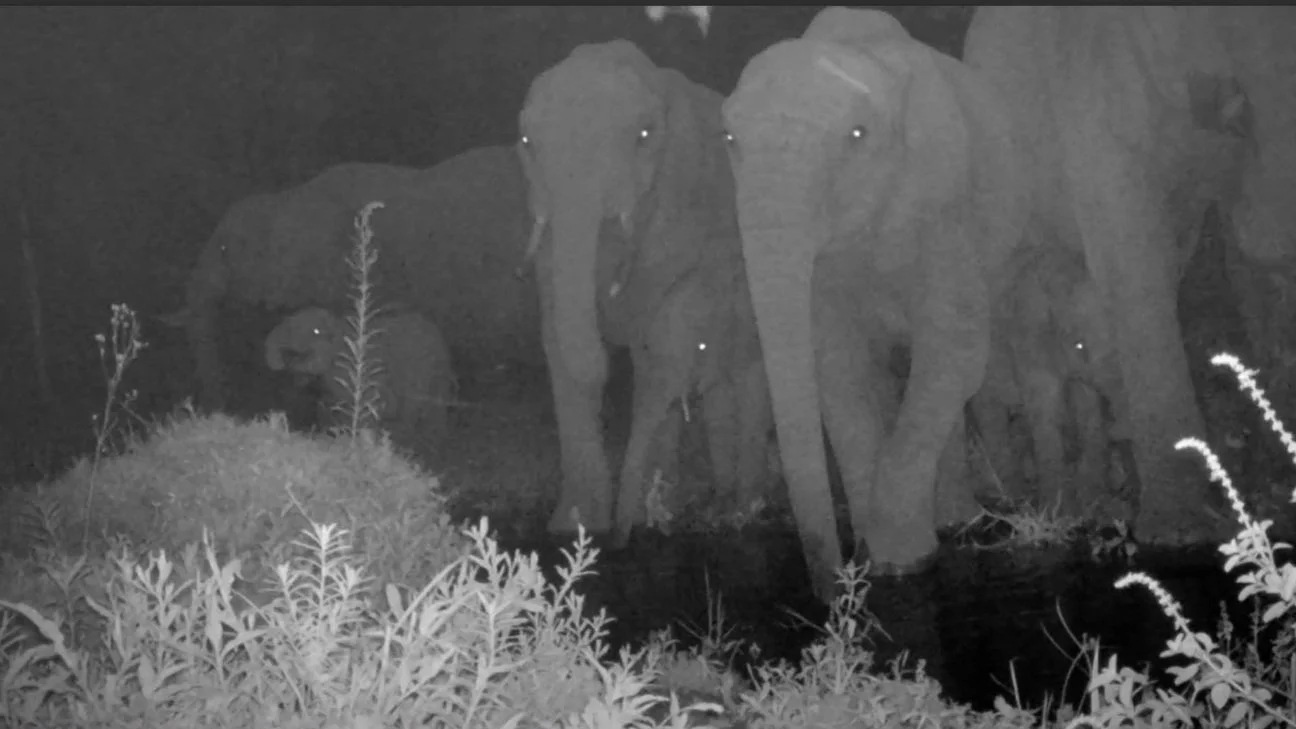
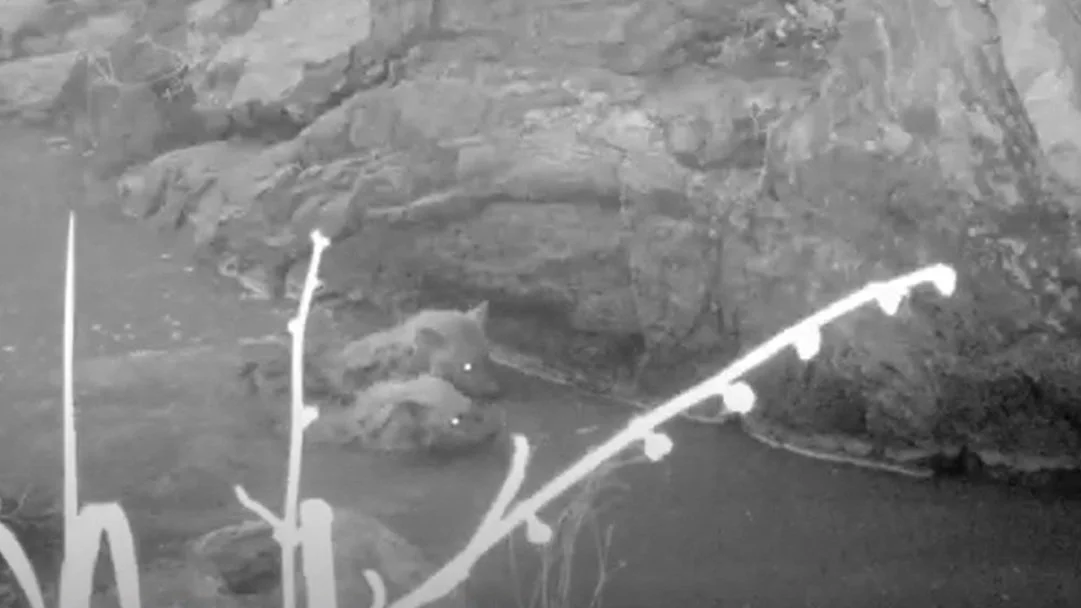
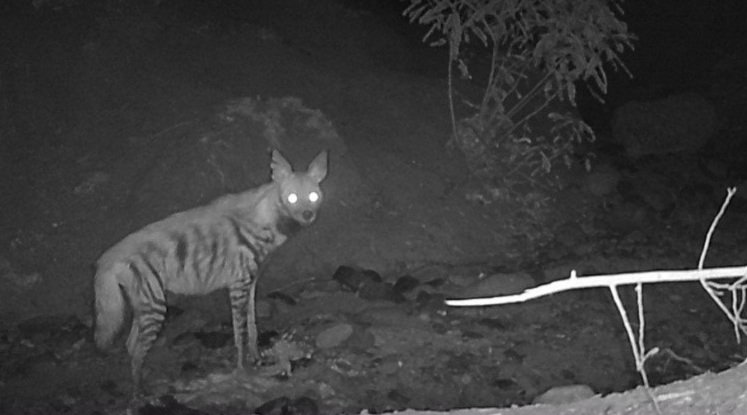
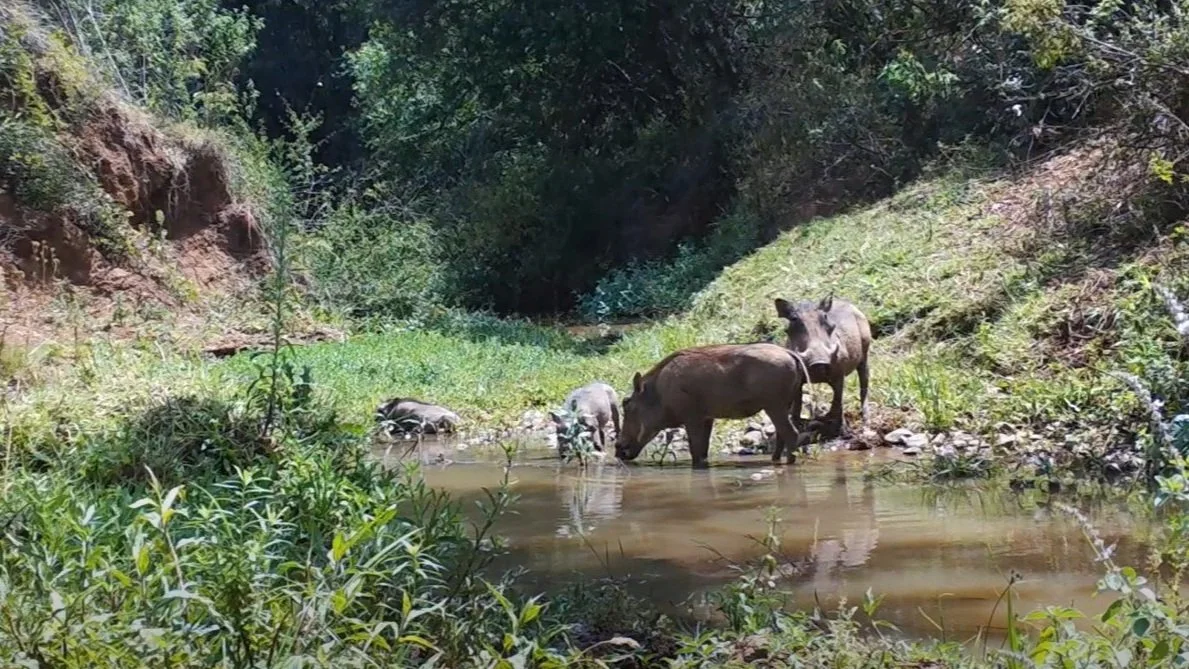
Timau River, from left to right: resident leopards, visiting elephants, resident swimming spotted hyenas, visiting lions on the move, resident striped hyena, resident warthog
problems
Anthropic threats:
Severing of migration corridors
Over exploitation of water
Degradation of riparian lands (illegal tree cutting, sand collection, over grazing, pollution, erosion)
Wildlife migration corridors:
Migration corridors are cut off by expanding settlement
Once settlements are established on migration routes it is quasi impossible to reverse it
Rivers and riparian lands are natural corridors as they connect highlands to lowlands and protected areas. They are protected by law but poorly enforced and they are over-exploited
Over-exploitation of water; Timau River case study:
As most perrenial rivers, the Timau River has become seasonal due to over-exploitation
96% of water abstractors were not metered
81% of the abstracted volume was unauthorized, lacking permits or exceeding permitted abstraction levels
Of 259 river water abstractors 18 were large volume abstractors; 5 large farms, 6 Community Water Projects and 7 individuals.
The 18 large volume abstractor take as much water as all other 241 abstractors combined.
Degradation of riparian lands:
Riparian laws are not known to local communities and poorly enforced
The public access status of riparian lands is often interpreted to mean a ‘free for all’
Riparian tree cutting for timber charcoal and fuelwood, sand-harvesting and removing all vegetation to cultivate, are wide-spread
Riparian land degradation causes erosion, killing its rain and flood water retention qualities, resulting in dirty and overall less water in the river.
Less water downstream pushes lowland pastoralists with vast numbers of livestock towards Kenya’s largest mountains during the dry seasons.
The numbers of livestock on Mt Kenya and Aberdares have quadrupled between 2016 and 2020 and is unsustainable.
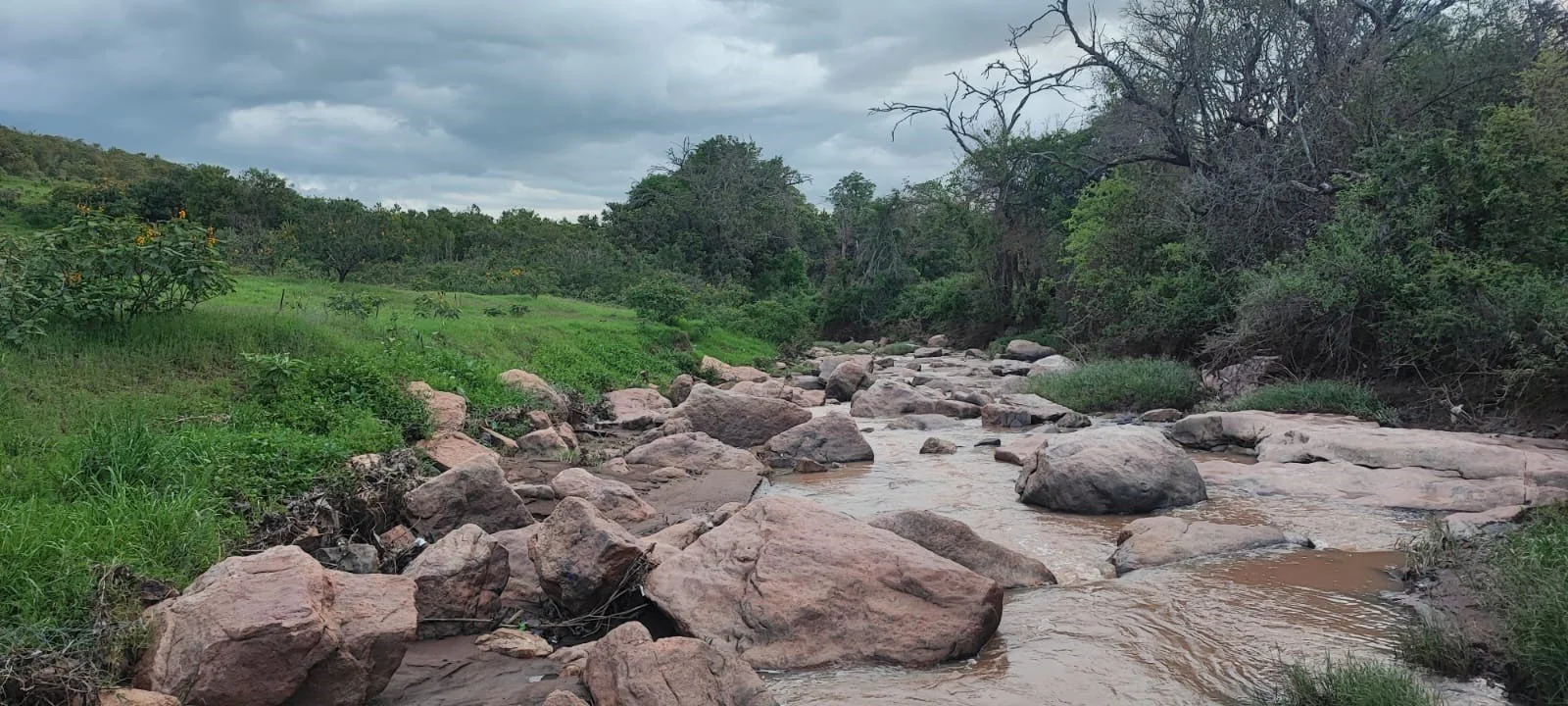
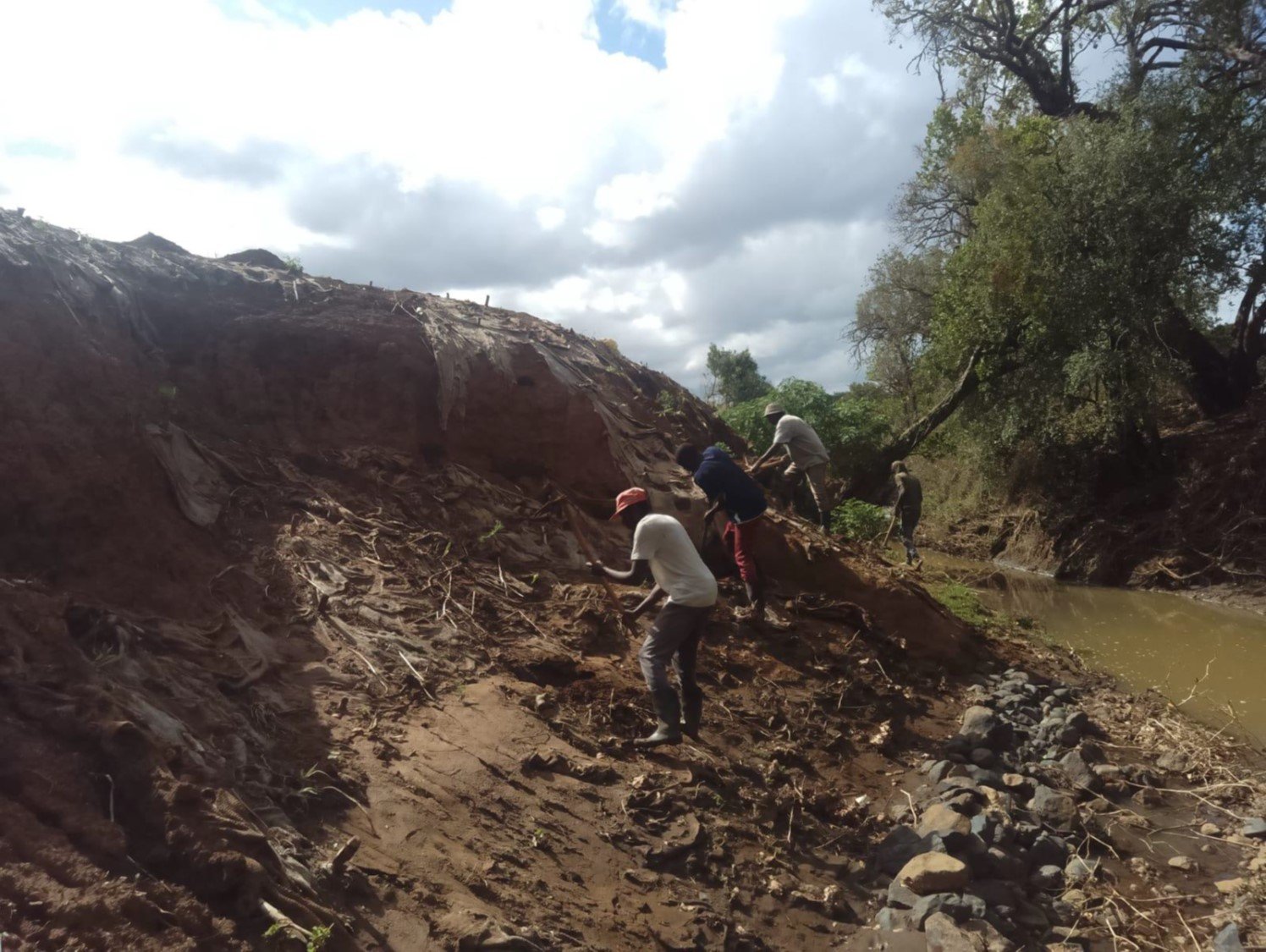
River bank restoration and restored previously-eroded bank, TRP
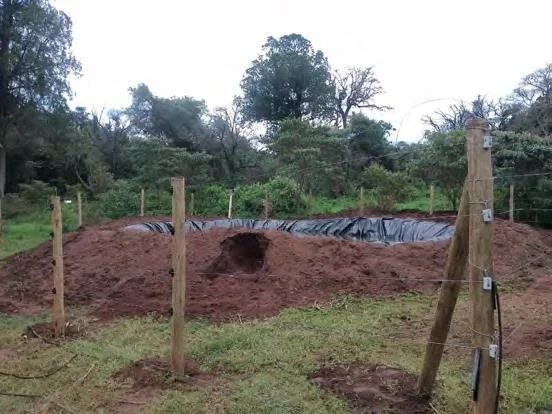
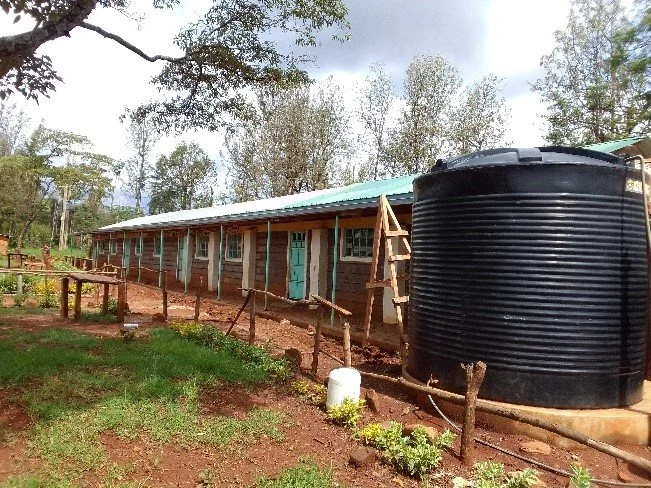
Rain-harvesting structure at a school and small rain run-off dam, MKT
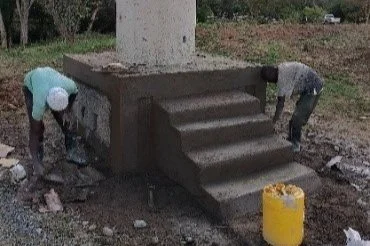
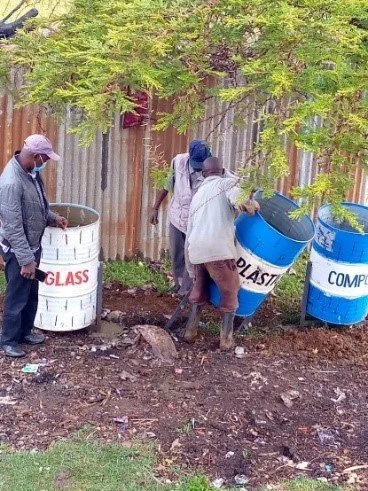
Local waste collection and waste inscinerator, MKT
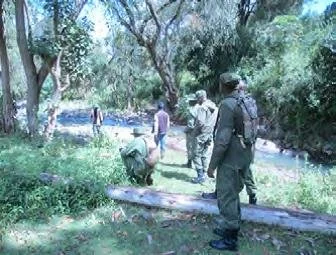
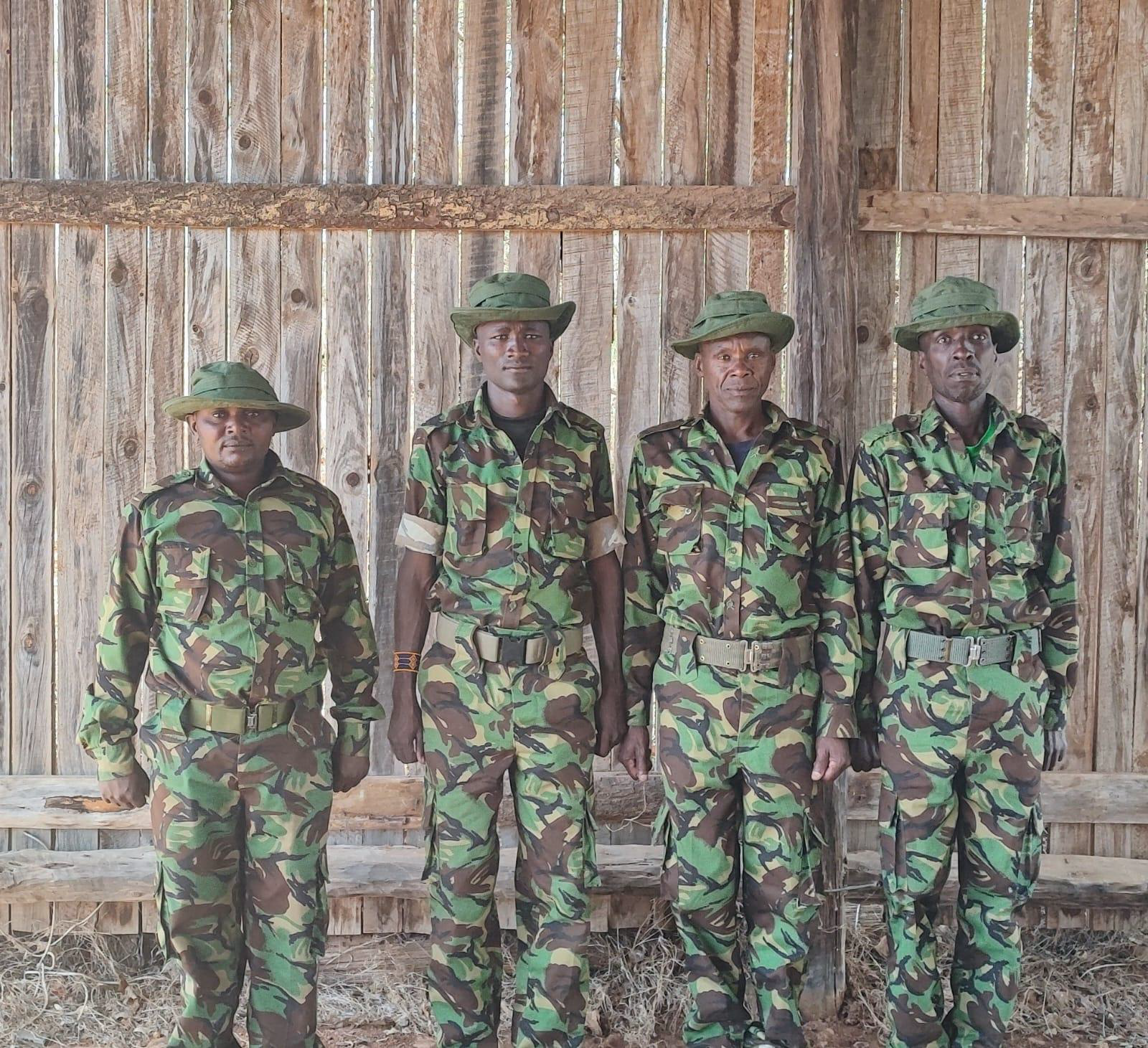
TRP riparian patrol team and TRP/WRUA joint patrol
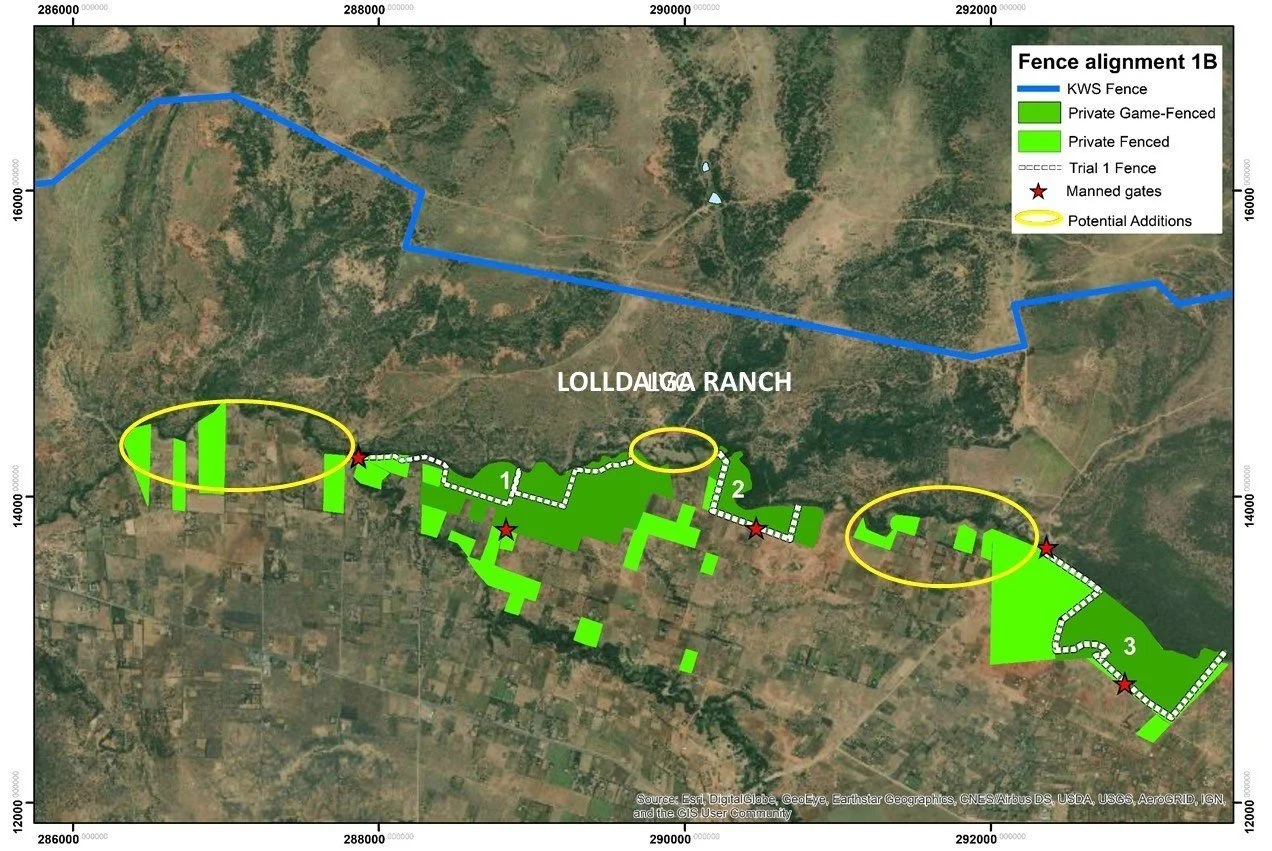
Riparian fence alignment with wildlife access in mind, WT
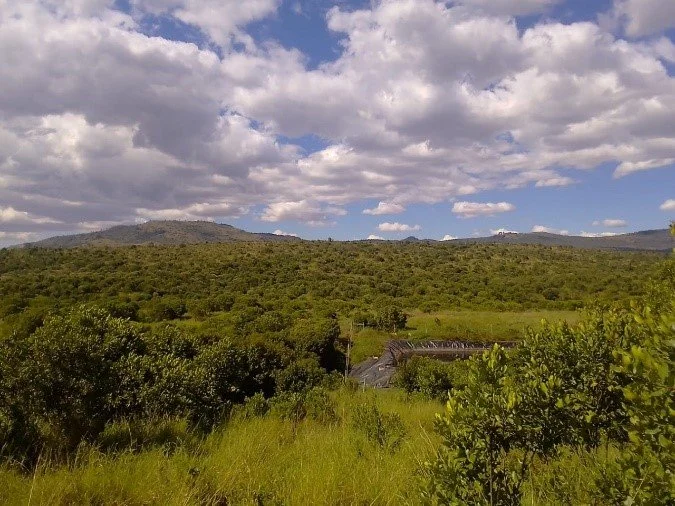
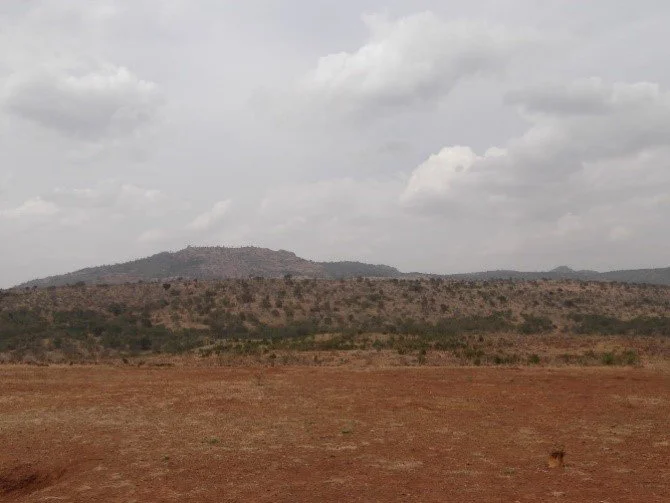
Land restoration before and after fencing, WT
SOLUTIONS
2019 workshop
To curb pastoralist influx on Mt Kenya coming from the Timau basin, reverse the decline of a river as a pilot project and restore/ protect a wildlife corridor. Rivers connect highlands to lowlands, enjoy a legal protection status, are essential for all life depending on them.
2020 Riparian survey in Timau Basin
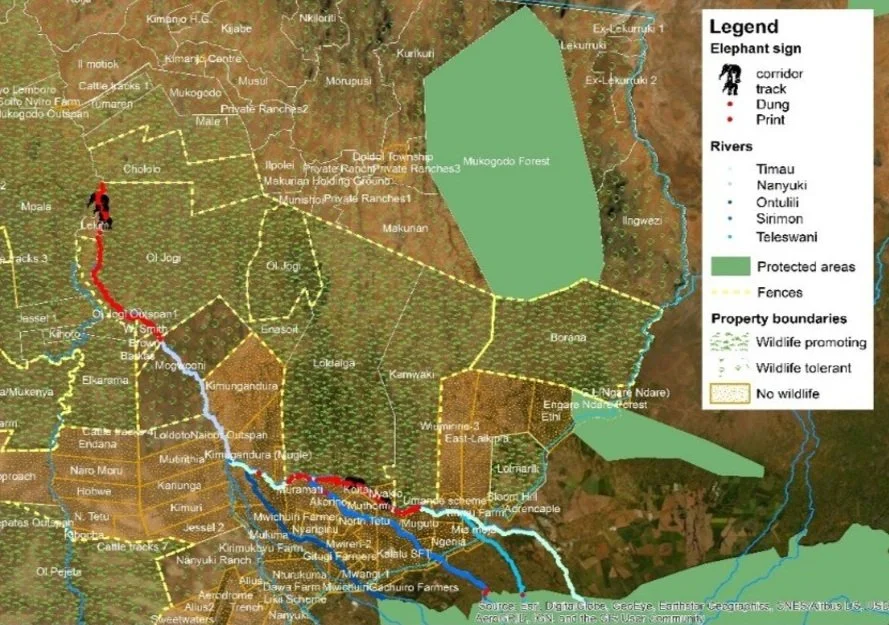
Data-informed selection of a river was done via a riparian land-use survey of the 5 largest rivers of the Timau Basin; Timau, Sirimon, Teleswani, Ontulili and Nanyuki Rivers. The Timau River stood out for its animal and tree species abundance and diversity, a natural corridor. LINK
The Timau River also had a water offtake study in 2022. LINK
REVERSE the DECLINE of the Timau River and its promotion as a wildlife corridor
Promoting sustainable agriculture
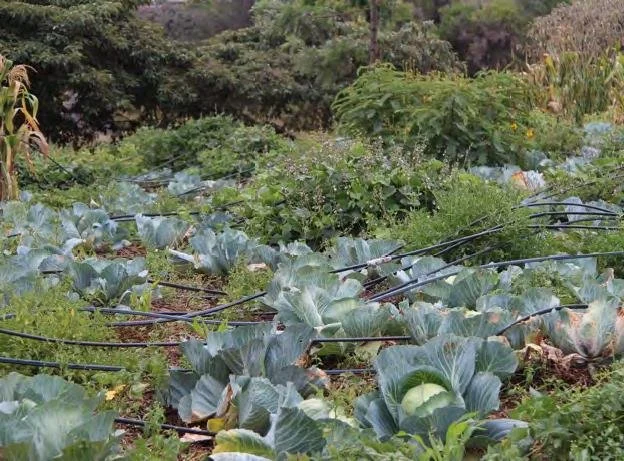
MKT has established an agriculture demonstration field with open days to showcase and advocate for practices such as water storage, drip irrigation, zero tillage and integrated agriculture/ agroforestry and crop protection with beehive fences.
Tree nurseries and tree planting
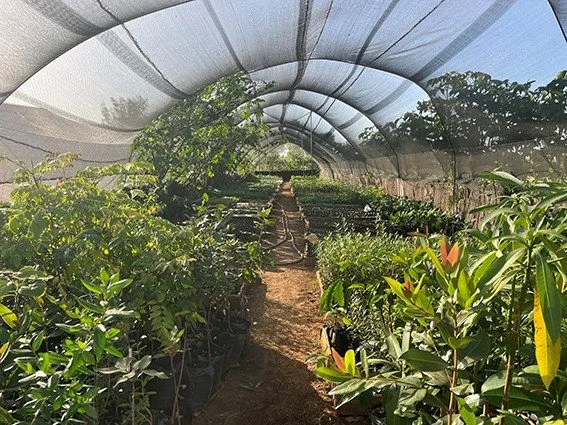
Both MKT and TRP established tree nurseries and engage local communities in riparian re-forestation.
River bank restoration
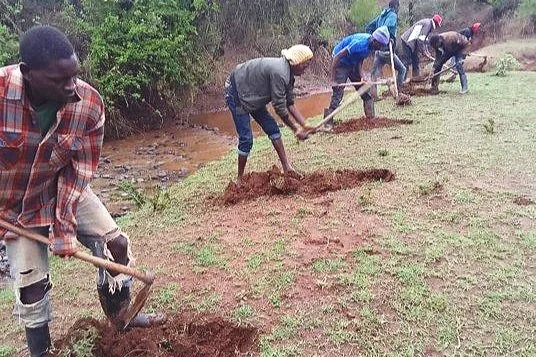
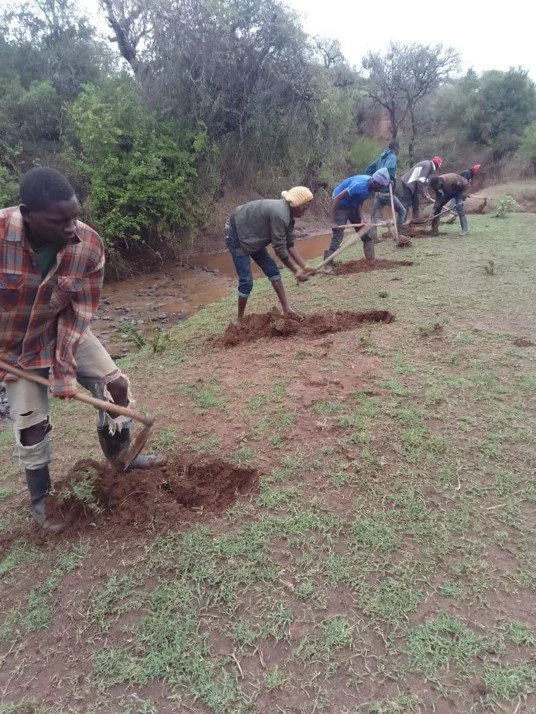
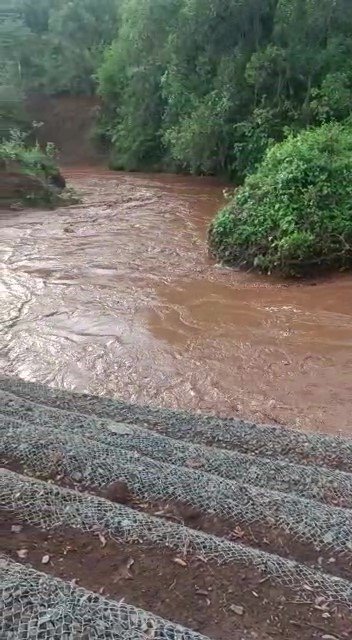
TRP has restored almost 10km of degraded and eroded riverbanks, using reinforced hessian bags and gabions to hold newly planted grasses, shrubs and trees.
rain-water harvesting and storage
MKT installs gutters and rain-water harvesting tanks in public places along the river like schools, dispensaries and hospitals. MKT also introduces small rain-water run-off storage dams for farmers. larger storage basins to reduce river water extraction.
waste recycling
MKT supports waste collection, recycling and incineration in villages and larger urban centres, an unfortunate foreign concept in many places.
Riparian patrols
TRP supports WRUA joint patrols to enforce riparian laws and sensitise riverain communities.
Protection in the right places
WT involves promotes inclusion of riparian lands where fences are being installed, with options to include an increasing riparian land area from private land-owners into fenced areas.
Fencing riparian lands does not stop community access but curbs use of riparian lands from encroaching agriculture, illegal tree cutting for charcoal and fuel wood.
Fencing the riparian lands also helps control water offtake and curb offtake abuse. , protecting the river against anthropic abuse.
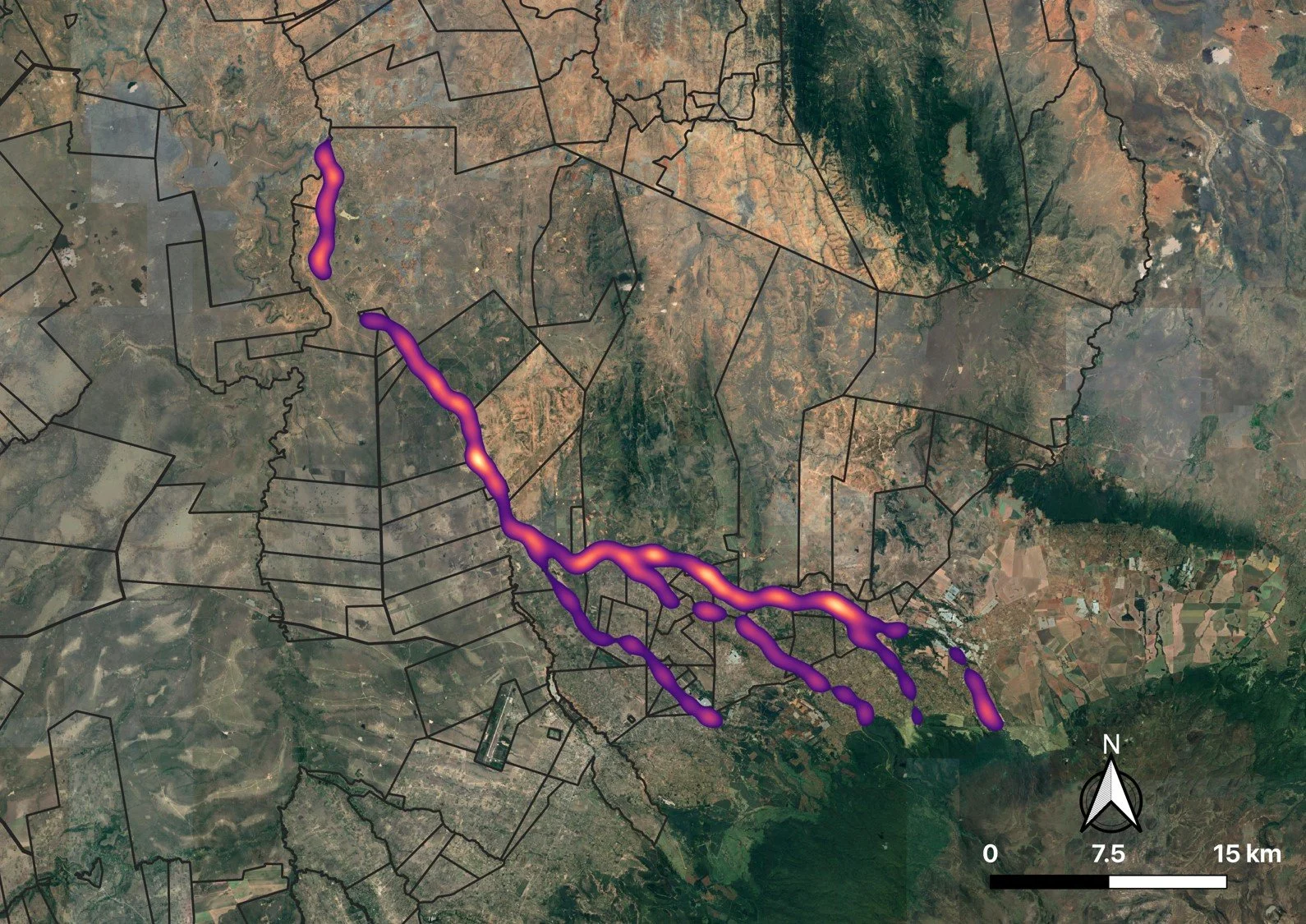
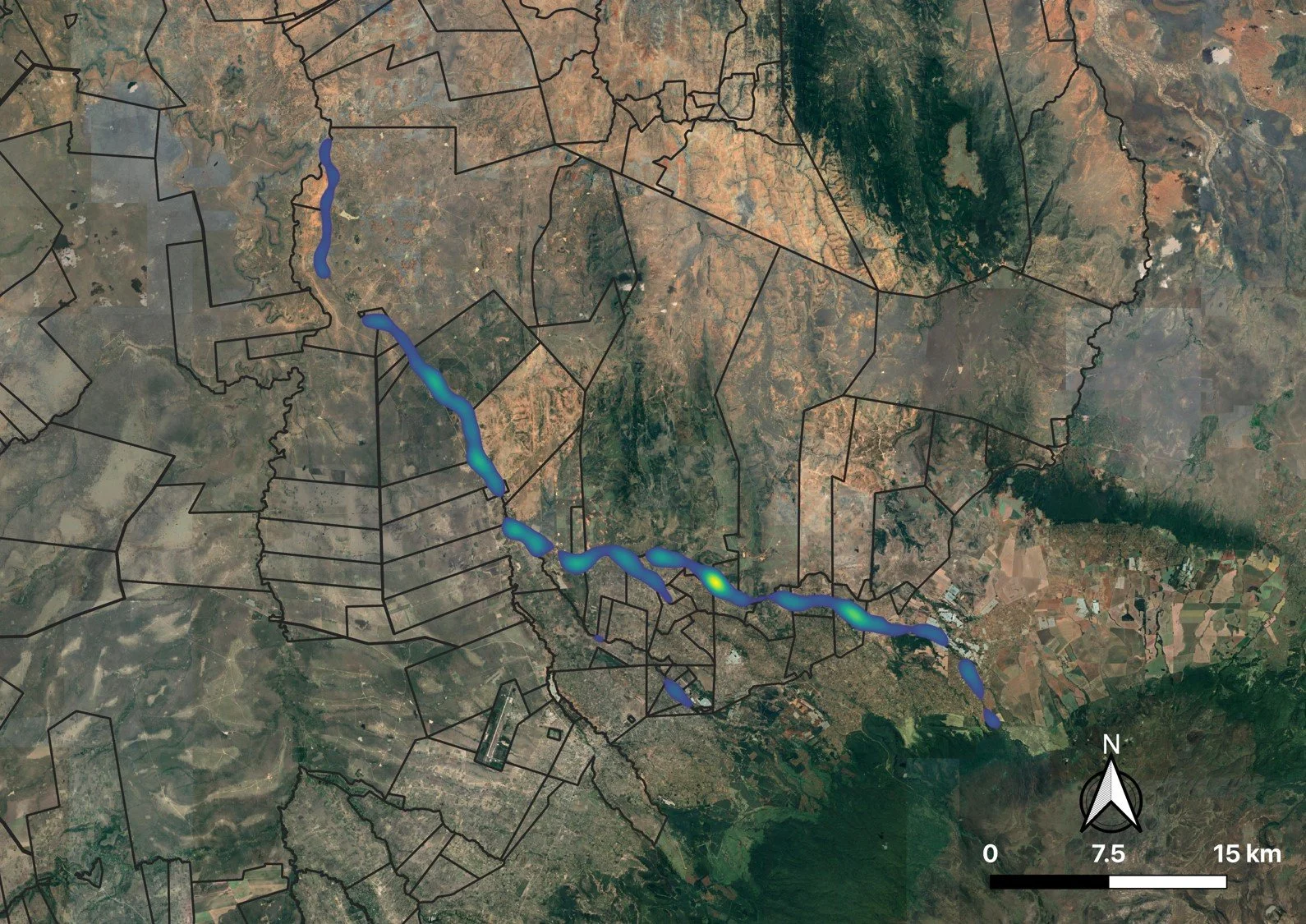
Clockwise frm top left: riparian survey, animal-, bird-, tree- sp. richness
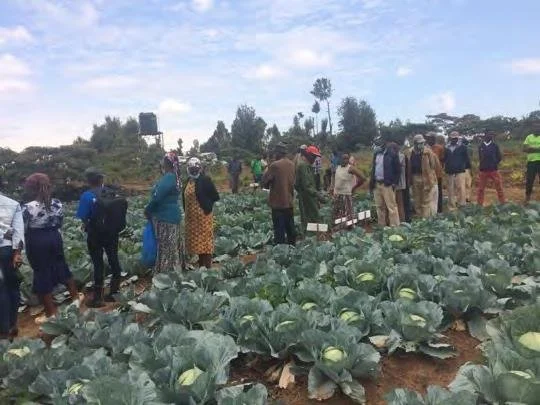
Agriculture demonstration plot and open day visits, MKT
Tree nursery and riparian tree planting, MKT
water AND CORRIDORS for wildlife
MOUNTAIN CA
River bank restoration by TRP and re-planting by MKT
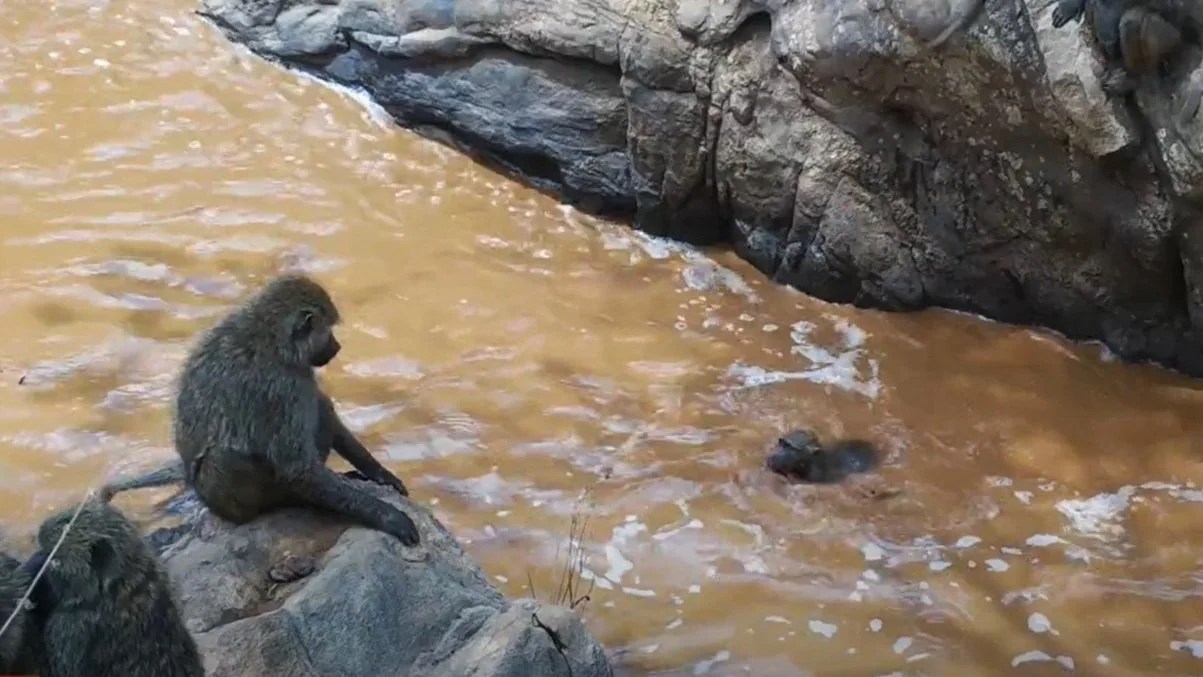
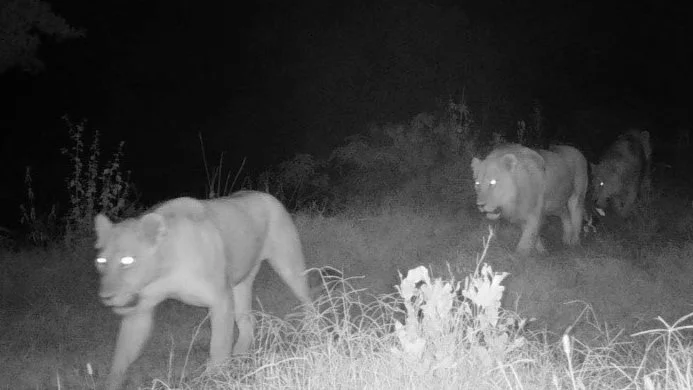
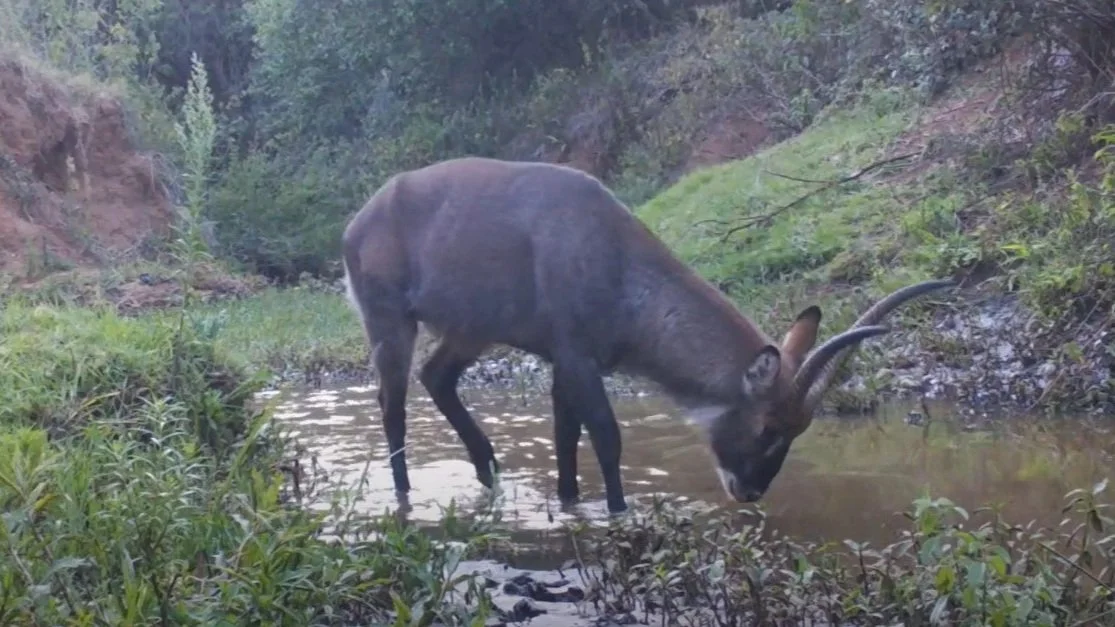
Clockwise from top left: leopard, striped hyena, warthog, swimming baboons, moving lions, waterbuck, elephants, swimming spotted hyena in the Timau Corridor
SOLUTIONS
2019 workshop
To curb pastoralist influx on Mt Kenya coming from the Timau basin, reverse the decline of a river as a pilot project and restore/ protect a wildlife corridor. Rivers connect highlands to lowlands, enjoy a legal protection status, are essential for all life depending on them.
2020 Riparian survey in Timau Basin
Data-informed selection of a river was done via a riparian land-use survey of the 5 largest rivers of the Timau Basin; Timau, Sirimon, Teleswani, Ontulili and Nanyuki Rivers. The Timau River stood out for its animal and tree species abundance and diversity, a natural corridor. LINK
REVERSE the DECLINE of the Timau River and its promotion as a wildlife corridor
Many restoration, protection and outreach projects are being implemented by the Mt Kenya Trust (MKT) and the Timau River Project (TRP) along the Timau River since 2020. LINK
In Tsavo CA, the rivers also suffer from excessive offtake at the source and from pollution from urban centres like Nairobi. The climate is hot and dry most of the year. Exacerbated by climate change, this imposes formidable hardship on wildlife and people. Several artificial watering holes were introduced to alter the effects of a lack of river water but the areas around those are overcrowded, increasingly degraded and devoid of vegetation. Consequently, vulnerable individuals, such as the very young, old and infirm, struggle to access sustenance beyond the deteriorated perimeters of the watering holes, amplifying starvation mortality rates around the watering holes. Other area-specific prominent threats in Tsavo include new rail and road infrastructure, separating Tsavo East NP from Tsavo West NP. Locations of wildlife underpasses diverge from natural migration routes, altering traditional patterns and exacerbating HEC. Furthermore, elephants can get trapped between the narrow strips of land between the new railway and the still functioning old railway on one side, and between the new railway and the highway on the other side.
problems
Human demographic growth is intense around Kenya’s fertile mountains and comes with:
encroachment into wild lands
severing of migration corridors
competition for natural resources
degradation of natural resources: Over-extraction of water, illegal tree cutting, sand collection, over grazing, pollution, erosion.
Most perennial rivers turned seasonal rivers due to over-exploitation:
90% of river water used at the source mostly by foreign-owned large farms producing flowers and legumes for export, and community water projects.
Riparian land degradation causes a collapse of riparian eco-services and reduces wildlife carrying capacity.
Lack of river water and an increase in livestock downstream pushes lowland pastoralists with vast numbers of livestock towards Kenya’s largest mountains during the dry seasons. The numbers of livestock on Mt Kenya and Aberdares had quadrupled between 2016 and 2020 and is unsustainable.
In Tsavo CA, the rivers also suffer from excessive offtake at the source and from pollution from urban centres like Nairobi. The climate is hot and dry most of the year. Exacerbated by climate change, this imposes formidable hardship on wildlife and people. Several artificial watering holes were introduced to alter the effects of a lack of river water but the areas around those are overcrowded, increasingly degraded and devoid of vegetation. Consequently, vulnerable individuals, such as the very young, old and infirm, struggle to access sustenance beyond the deteriorated perimeters of the watering holes, amplifying starvation mortality rates around the watering holes. Other area-specific prominent threats in Tsavo include new rail and road infrastructure, separating Tsavo East NP from Tsavo West NP. Locations of wildlife underpasses diverge from natural migration routes, altering traditional patterns and exacerbating HEC. Furthermore, elephants can get trapped between the narrow strips of land between the new railway and the still functioning old railway on one side, and between the new railway and the highway on the other side.
Wellness
Coaching

Creating a plan that works for you
Through my personalized coaching, I’ll work alongside you to develop an integrated plan to achieve full body wellness—often combining the practices of nutrition, exercise, acupuncture, meditation, herbal remedies, and more.


Commodo cursus magna, vel scelerisque nisl consectetur et. Donec id elit non mi porta gravida at eget metus.